The National Federation Party stresses that it will reduce Value Added Tax from 15 to 10 percent if it forms the next government.
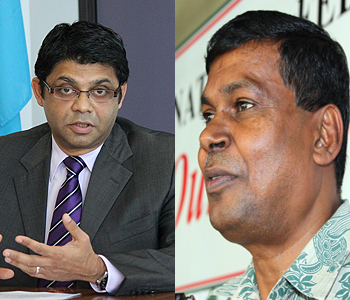
NFP leader Doctor Biman Prasad said the FijiFirst Party can go ahead and criticize the move however they will stick to this proposed policy as they believe that this is necessary for the people of Fiji.
Doctor Prasad had earlier said that by reducing VAT, people may buy two chickens instead of one as the prices will go down and consumption of the items will increase.
While speaking in a campaign meeting in Koronivia last night, FijiFirst General Secretary Aiyaz Sayed-Khaiyum raised the question on how people can buy two chickens instead of one if the saving from the VAT reduction for people will be about 40 cents.
VAT reduction will result in a loss of revenue of about $268 million.
Sayed-Khaiyum questioned where the NFP will bring the revenue lost through the VAT reduction.
NFP leader Doctor Biman Prasad maintained that the multiply effect will benefit the consumers and he said the issue should not just be about a chicken price debate.
Doctor Prasad said the government should explain the increased cost of living in the country.
Doctor Prasad also said that the government should publish all the Auditor General’s reports to show where the money has been spent from 2006 to date.
Meanwhile, in a fact sheet being distributed by the FijiFirst, it states that from December 2006 to December last year, the Consumer Price Index rose by 44 percent.
This means that the basket of food and other items a family consumed cost 44 percent more than in 2006.
It said the main reasons for the increase in prices is due to the increase in world crude oil prices by about 68 percent, the NZ dairy price index has increased by 109 percent, Australian wheat prices have risen by 105 percent and the Fijian dollar has been devalued by 20 percent.
The FijiFirst said the rise in inflation is driven more by external factors rather than domestic policies.
It also said most of the basic food items are imported and we do not have control of prices for these items.
However, the FijiFirst said some measures taken to help cope with the rise in inflation is the increase in the income tax threshold from $8,400 in 2006 to $16,000 last year, reduction in the PAYE Tax Rate, free school fees, free bus fare, zero rating VAT for basic food items (tinned fish, flour, sharps, edible oil, rice, tea), continued zero rating VAT for medicine, reduction in maximum duty on food from 27 to 5 percent, improved price control for basic food items and fuel, food vouchers and the pension scheme.