
The Wages Council has finished its work in preparing new wage rates for a total of nine industries which will come into effect on the 1st of January next year.
Speaking exclusively to Fijivillage, Wages Council Chairman Father Kevin Barr revealed that after a number of consultations with employers from various industries, they have managed to come up with new wage rates for these selected industries.
Looking at the various industries, the printing industry wage rate had been increased from $1.70 to $2.20 an hour for learners and from $2.12 to $2.65 an hour for others. This is an increase of 50 cents.
The security industry has received an increase of 30 cents where the new wage rate will start at $2.00 an hour.
The Building, Civil, and Electrical Engineering industry which consists of Foreman, Tradesman, Watchman, Heavy and Light Goods drivers and Plant operators has received 40 to 50 cents increase in their hourly rate.
The manufacturing industry received a 50 cents increase and the new wage rate will start at $2.50 an hour.
Hotel and Catering industry has received 35 cents across the board increase. The industry consists of Barman, Clerk, Cook, Waiter, Watchman, Night attendant, Laundar hand, Kitchen hand, House worker and General worker.
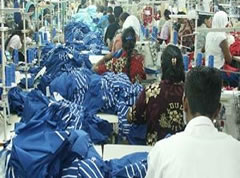
The garment industry has received a 20% pay rise.
Learners will now start receiving $1.50 an hour while others hourly rate in the industry will start at $1.78. The old wage rate was $1.48.
The road transport industry has received a 5% across the board increase. The industry consists of all goods drivers, crane drivers, very heavy articulated drivers, Public service drivers and Fork Lift operators.
The wholesale and retail industry has also received a 20% increase and the new wage rate will be increased by 30 to 40 cents.
People working in the industry include, Cashiers, clerks, salesman, sewing machinist, store man, unskilled workers, watchman and other workers.
The saw milling industry has received a 40 to 50 cents increase in the hourly wage rate.
Father Kevin Barr stressed the Council was deeply concerned that workers in these industries were mostly poor and not earning enough to meet their daily needs.
Wage Increase For 9 Industries
Related Stories

We are committed to holding elections – Siromi Turaga
Questions were raised during Dialogue Fiji’s Constitution review discussion on whether the government can delay the general elections and complete the Constitution review however Acting Attorney General Siromi Turaga
Fijian economy on track to grow for fourth consecutive year in 2025 by 3.4%
The Fijian economy is on track to grow for the fourth consecutive year in 2025 by 3.4 percent, following a 3.5 percent expansion in 2024. The growth forecast is revised up marginally from the 3.2 percent projected

Heavy Rain Alert for Eastern Viti Levu, Southern Bua, Cakaudrove, Taveuni and maritime areas
A heavy rain alert is now in force for the eastern half of Viti Levu (Navua–Suva–Nausori to Serua–Namosi to Tailevu–Naitasiri–Ra areas), southern Bua, Cakaudrove, Taveuni and nearby smaller islands, the Lau an

We need to dismantle criminal enterprises, hitting them where it hurts most - Speaker
Speaker of Parliament, Filimone Jitoko has highlighted during the opening of the Office of the Director of Public Prosecutions Conference that there is a need for prosecutors in the country to master the digital frontie

Fiji has learned from its past and we know that restricting media engagement or access is not the answer - Tabuya
At all times, the public interest in accessing information and the media’s role in scrutinising government must outweigh any unilateral power to silence or sideline a news outlet. In Fiji, we uphold the principle that

Wailea resident raises concerns about drug issues raised countless times with Police while COMPOL says official complaint must be lodged
Wailea Settlement Community leader, Inoke Utona says he has raised the issue of drug use and dealing in their area countless times with the authorities but there has still been no response from Police. However when