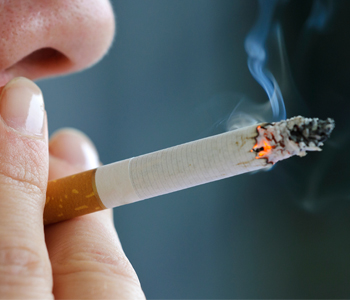
Action to stamp out tobacco use can help countries prevent millions of people falling ill and dying from tobacco‑related disease, combat poverty and, according to a first‑ever WHO report, reduce large‑scale environmental degradation.
As we mark World No Tobacco Day today, the World Health Organization is highlighting how tobacco threatens the development of nations worldwide, and is calling on governments to implement strong tobacco control measures.
These include banning marketing and advertising of tobacco, promoting plain packaging of tobacco products, raising excise taxes and making indoor public places and workplaces smoke‑free.
The WHO says tobacco use kills more than 7 million people every year and costs households and governments over US$1.4 trillion through healthcare expenditure and lost productivity.
WHO Director General Dr. Margaret Chan says tobacco threatens us all and it exacerbates poverty, reduces economic productivity, contributes to poor household food choices, and pollutes indoor air.
Dr. Chan adds that by taking robust tobacco control measures, governments can safeguard their countries future by protecting tobacco users and non‑users from these deadly products, generating revenue to fund health and other social services, and saving their environments from the ravages tobacco causes.
All countries have committed to the 2030 Agenda for Sustainable Development, which aims to strengthen universal peace and eradicate poverty.
The key elements of this agenda include implementing the WHO Framework Convention on Tobacco Control, and by 2030 reducing by one‑third premature death from lifestyle diseases, including heart and lung diseases, cancer and diabetes, for which tobacco use is a key risk factor.
The first‑ever WHO report, Tobacco and its environmental impact: an overview, also shows the impact of this product on nature, including tobacco waste contains over 7000 toxic chemicals that poison the environment and tobacco waste is the largest type of litter by count globally.
Up to 10 billion of the 15 billion cigarettes sold daily are disposed in the environment.
Cigarette butts account for 30‑40% of all items collected in coastal and urban clean‑ups.
Around 860 million adult smokers live in low and middle‑income countries.
Many studies have shown that in the poorest households, spending on tobacco products often represents more than 10% of total household expenditure – meaning less money for food, education and healthcare.
Tobacco also contributes to 16% of all NCD deaths.
The WHO says governments collect nearly US$270 billion in tobacco excise tax revenues each year, but this could increase by over 50%, generating an additional US$141 billion, simply from raising taxes on cigarettes by just 1 US dollar per pack in all countries.