
Some Pacific Island countries who agreed to limit the increase in global average temperatures to 2 degrees Celsius or less post 2012, during the Pacific Island Leaders Forum in Australia last month, have now agreed on a different limit on the increase in temperatures in the UN meeting currently underway in New York.
Fijivillage News has received confirmation that some small Pacific island countries agreed in the UN meeting that the limit on the increase in global average temperatures be 1.5 degrees celsius.
This has been a change of stance by the small island states.
However we have also received information that prior to the Forum Leaders Meeting in Cairns, 6 small island states - namely Tuvalu, Kiribati, Niue, Cook Islands, Marshall Islands and Palau had agreed to 1.5 degrees limit on global temperatures.
This stance was taken by them as they said that alot of attention is needed on global warming as the effects of climate change has affected not only small island countries livelihood, but their day-to-day life and viability.
The final outcome changed to 2 degree Celsius limit in the Cairns Forum, as the other countries backed Australia's target of 2 degrees or less.
Meanwhile, the United Nations General Assembly in their meeting underway in New York, have agreed that the new global average temperature would be 1.5 degrees post 2012.
When asked why the change, the Pacific Islands Secretariat Regional and International Advisor, Coral Pasisi clarified that UN has an "Alliance of smaller island countries", consisting of 43 members who all have different circumstances and that not all Forum Island countries are part of the Alliance.
The Secretariat revealed that Australia and New Zealand, who were members of the Pacific Island Leaders Forum, were not part of the Alliance.
Fiji was not part of the Forum Island Leaders meeting in Cairns.
Small Island States change stance

Related Stories
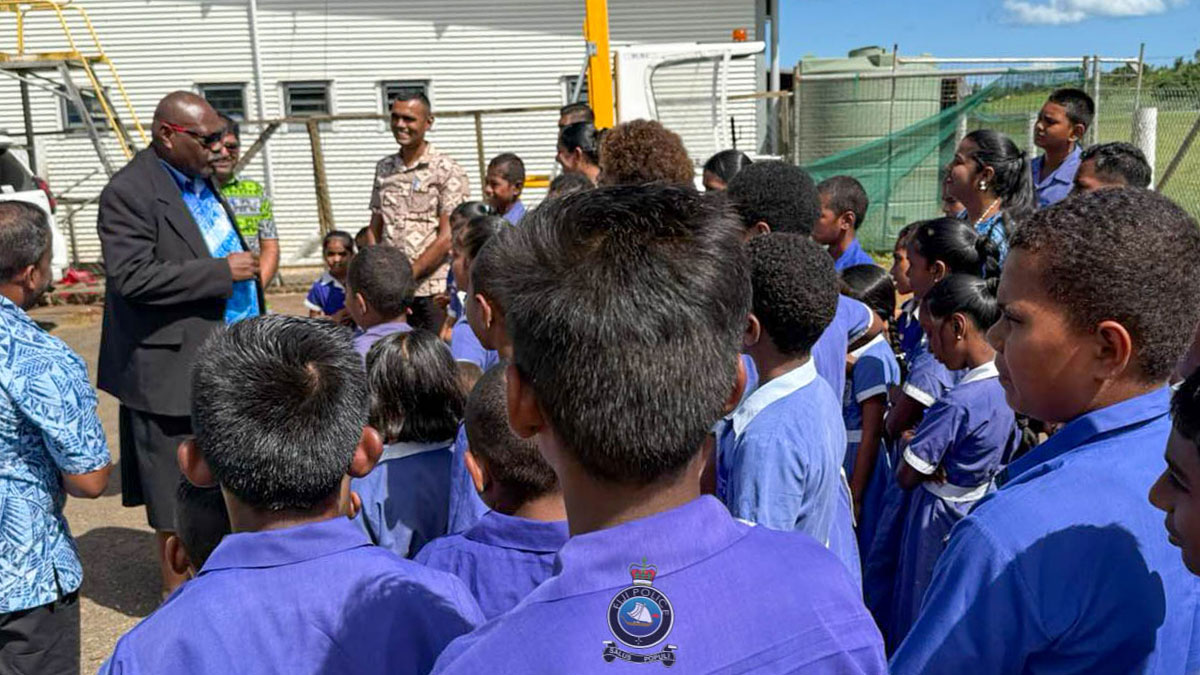
COMPOL urges Lagalaga Sanatan students to value discipline and education
Students of Lagalaga Sanatan Primary School in Labasa have been reminded of the importance of education, discipline and obedience by the Commissioner of Police Rusiate Tudravu. Tudravu spoke to the students during

Heavy Rain Alert remains for Viti Levu, Southern Bua, Cakaudrove, Lau and Lomaiviti Groups
A Heavy Rain Alert remains in force for the Eastern half of Viti Levu from Serua, Namosi through Navua, Suva, Nausori, Tailevu, Naitasiri, Ra, Southern Bua, Cakaudrove, Taveuni, Kadavu, Lau and Lomaiviti Groups and near

Warning letter written to Prof. Narsey – Acting AG
Acting Attorney General Siromi Turaga says a strong warning letter has been written to Electoral Reform Commissioner Professor Wadan Narsey after he came out publicly with the Electoral Reform Commission report recommen

3 Fijian men from KVT gang in Sydney denied bail for AUD$12.5M drugs case
Three Fijians who are alleged to be associated with a gang supplying drugs in Sydney have been refused bail by the court. 28-year-old Eparama Nevale, 28-year-old William Ravoka, and 24-year-old George Sukanaivalu,

Proposed ‘People First’ submits application for registration
The Proposed ‘People First’ has submitted its application for registration to the Registrar of Political Parties, Ana Mataiciwa. Mataiciwa confirms that the FEO is now preparing to publish the party’s applica
Visitor arrivals on track for record year while sugar output drops
Visitor arrivals have recovered following a decline in the first quarter and based on current trends, Fiji is on track to achieve a third consecutive year of record visitor arrivals in 2025. While speaking on the p