
As the constitution consultations continue over the next few weeks, a number of non-negotiable principles set out by the government will be part of the new constitution despite what peoples’ submissions say on these matters.
These non-negotiable principles include a common and equal citizenry, a secular state, the removal of systematic corruption, an independent judiciary, elimination of discrimination, good and transparent governance, social justice, one person one vote one value, the elimination of ethnic voting, proportional representation and voting age to be 18.
It has been stated that there will be only one kind of citizenship so that all citizens will have the same rights - men and women, members of all communities regardless of religion or race.
According to the guide of the Constitution Commission, the guiding principles state that there will be no official religion and no religion will be given preference by the state, members of all religions will have equal rights to practice their belief and faith individually or in association with fellow members, and freedom of religion will be guaranteed in the Bill of Rights.
The guide states that the constitution will have to establish and enforce principles of non-discrimination which is equality of all citizens and of other residents and it should make illegal any discriminatory law or practices which exist now.
Social justice is a broad concept built on the assumption of human dignity of all people and its aim is to secure for all the basic needs for a life of dignity.
The commission guide said the 1997 Constitution Review and the National Council for Building a Better Fiji said a major problem facing Fiji is the lack of unity among its people.
The reviews said Fijians are divided in several ways - by ethnicity, language, religion and wealth.
It said colonial policies divided them by institutions of government, unequal political and economic rights and a divisive electoral system.
The reviews said that the people have been so divided that they could not even agree on a common name for themselves as citizens.
The guide said the Reeves Commission was particularly critical of the politicians for exploiting ethnic differences and creating animosity among the people.
Story by: Vijay Narayan
Non-negotiables set despite submissions
Related Stories
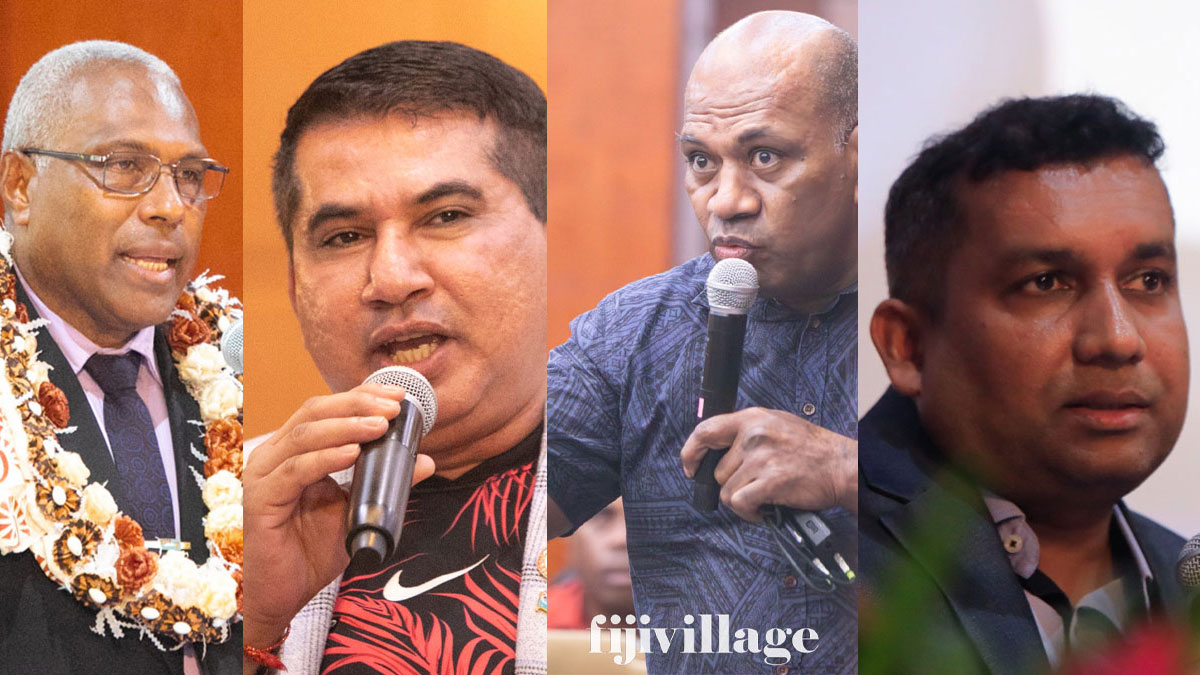
We are committed to holding elections – Siromi Turaga
Questions were raised during Dialogue Fiji’s Constitution review discussion on whether the government can delay the general elections and complete the Constitution review however Acting Attorney General Siromi Turaga
Fijian economy on track to grow for fourth consecutive year in 2025 by 3.4%
The Fijian economy is on track to grow for the fourth consecutive year in 2025 by 3.4 percent, following a 3.5 percent expansion in 2024. The growth forecast is revised up marginally from the 3.2 percent projected

Heavy Rain Alert for Eastern Viti Levu, Southern Bua, Cakaudrove, Taveuni and maritime areas
A heavy rain alert is now in force for the eastern half of Viti Levu (Navua–Suva–Nausori to Serua–Namosi to Tailevu–Naitasiri–Ra areas), southern Bua, Cakaudrove, Taveuni and nearby smaller islands, the Lau an

We need to dismantle criminal enterprises, hitting them where it hurts most - Speaker
Speaker of Parliament, Filimone Jitoko has highlighted during the opening of the Office of the Director of Public Prosecutions Conference that there is a need for prosecutors in the country to master the digital frontie
Fiji has learned from its past and we know that restricting media engagement or access is not the answer - Tabuya
At all times, the public interest in accessing information and the media’s role in scrutinising government must outweigh any unilateral power to silence or sideline a news outlet. In Fiji, we uphold the principle that
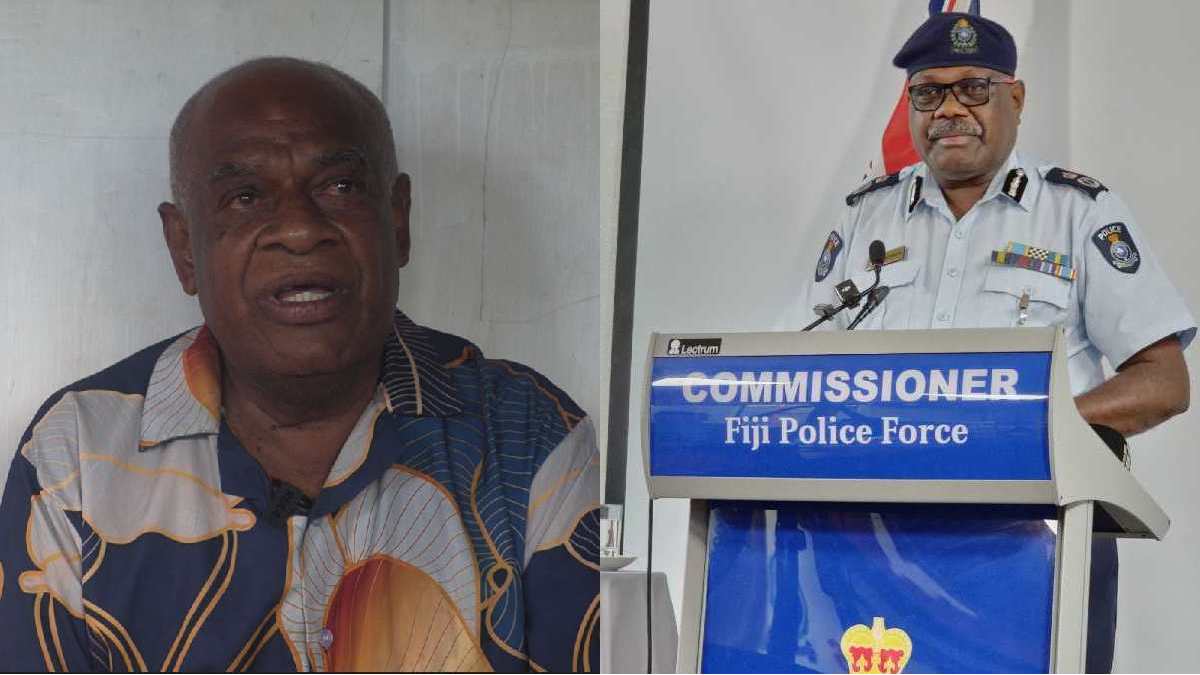
Wailea resident raises concerns about drug issues raised countless times with Police while COMPOL says official complaint must be lodged
Wailea Settlement Community leader, Inoke Utona says he has raised the issue of drug use and dealing in their area countless times with the authorities but there has still been no response from Police. However when