
The Health Ministry has clarified that there is really no dengue alert in Fiji, but the health teams led by environmental health officers are in preparation mode, for the rainy season when most dengue outbreaks tend to occur.
Dr Eric Rafai from the Ministry said there is only one case with acute infection for dengue fever, much less compared to 1,000 in September 2008 and 250 cases in September 2009.
Dr Rafai said that generally it is the West or areas under drought conditions that are hit with dengue, where residents keep containers of water that is major breeding sites for dengue carrying mosquitoes.
Dengue fever can only be transmitted by certain species of mosquitoes, commonly the domestic type.
The population should be encouraged to seek medical care if they have a fever that lasts more than 2 days.
Hand washing with soap is the most effective preventive measure and people should wash their hands with soap after each toilet visit and before preparing a meal or drink and before eating.
Drinking water supplies should be protected and ensure safe for human consumption and water from rivers or creeks should not be drunk.
When preparing grog, use safe water and wash hands with soap before handling it.
Areas where Yaqona and other crops are harvested should be protected from contamination by human waste.
Story by: Selina Navuso
No dengue alert in Fiji
Related Stories
We are committed to holding elections – Siromi Turaga
Questions were raised during Dialogue Fiji’s Constitution review discussion on whether the government can delay the general elections and complete the Constitution review however Acting Attorney General Siromi Turaga
Fijian economy on track to grow for fourth consecutive year in 2025 by 3.4%
The Fijian economy is on track to grow for the fourth consecutive year in 2025 by 3.4 percent, following a 3.5 percent expansion in 2024. The growth forecast is revised up marginally from the 3.2 percent projected

Heavy Rain Alert for Eastern Viti Levu, Southern Bua, Cakaudrove, Taveuni and maritime areas
A heavy rain alert is now in force for the eastern half of Viti Levu (Navua–Suva–Nausori to Serua–Namosi to Tailevu–Naitasiri–Ra areas), southern Bua, Cakaudrove, Taveuni and nearby smaller islands, the Lau an

We need to dismantle criminal enterprises, hitting them where it hurts most - Speaker
Speaker of Parliament, Filimone Jitoko has highlighted during the opening of the Office of the Director of Public Prosecutions Conference that there is a need for prosecutors in the country to master the digital frontie
Fiji has learned from its past and we know that restricting media engagement or access is not the answer - Tabuya
At all times, the public interest in accessing information and the media’s role in scrutinising government must outweigh any unilateral power to silence or sideline a news outlet. In Fiji, we uphold the principle that
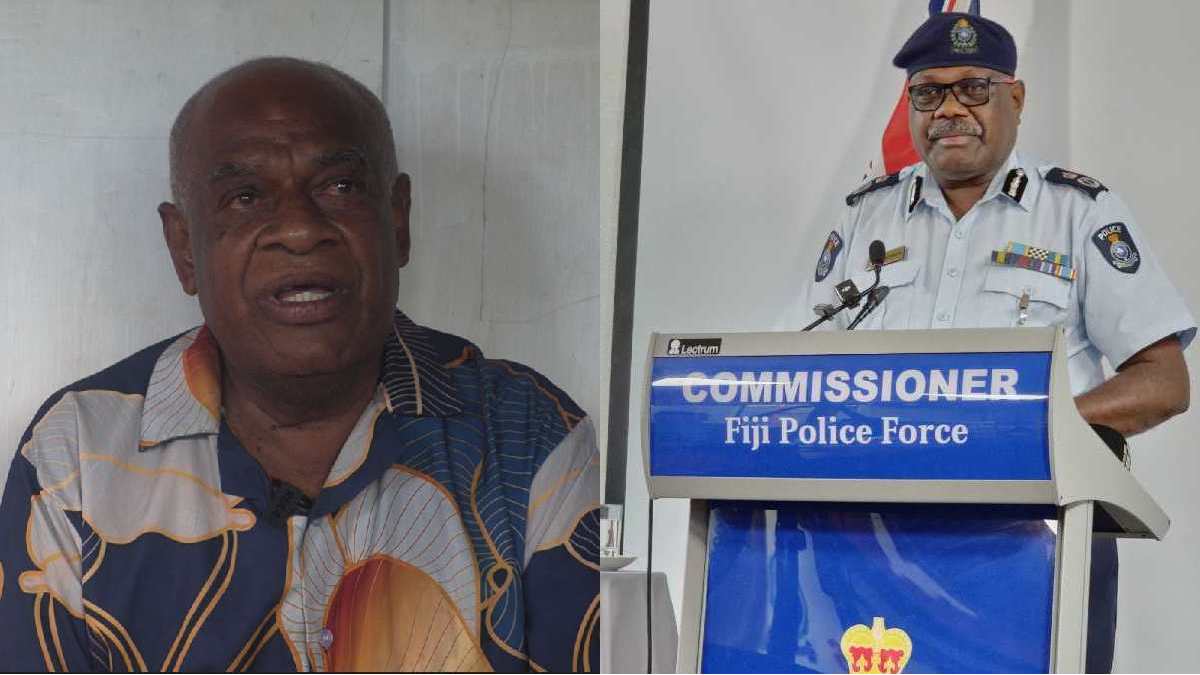
Wailea resident raises concerns about drug issues raised countless times with Police while COMPOL says official complaint must be lodged
Wailea Settlement Community leader, Inoke Utona says he has raised the issue of drug use and dealing in their area countless times with the authorities but there has still been no response from Police. However when