
The migration and movement of Pacific people, within their countries and between countries, plays a role in the spread of HIV, but this risk factor is underestimated in the region.
This was revealed in a UNDP report "Migration, Mobility and HIV: A Rapid Assessment of Risks and Vulnerabilities in the Pacific" launched in Suva yesterday.
The report highlights that Papua New Guinea, Guam, Northern Marianas, Fiji, Solomon Islands, Kiribati, Palau, Marshall Islands, New Caledonia and French Polynesia are likely to face greater HIV transmission risks associated with mobility when compared with other Pacific Island counties.
The report reviews a number of different migrant behaviors within two broad types of migration, internal migration, and urbanization in particular and external migration, individuals leaving the Pacific and those entering the region.
It goes on to say that skilled workers, seafarers, students, traders, civil servants, military personnel and sex workers form part of these mobile groups, which are characterized by different sexual behaviours and different risk exposure to HIV and STI as well as access to services.
The report highlights that it is not mobility or migration in itself that make people vulnerable to HIV, but the conditions under which people move or migrate, and the conditions and level of services they are able to access throughout the mobility system.
Migration linked to spread of HIV

Related Stories
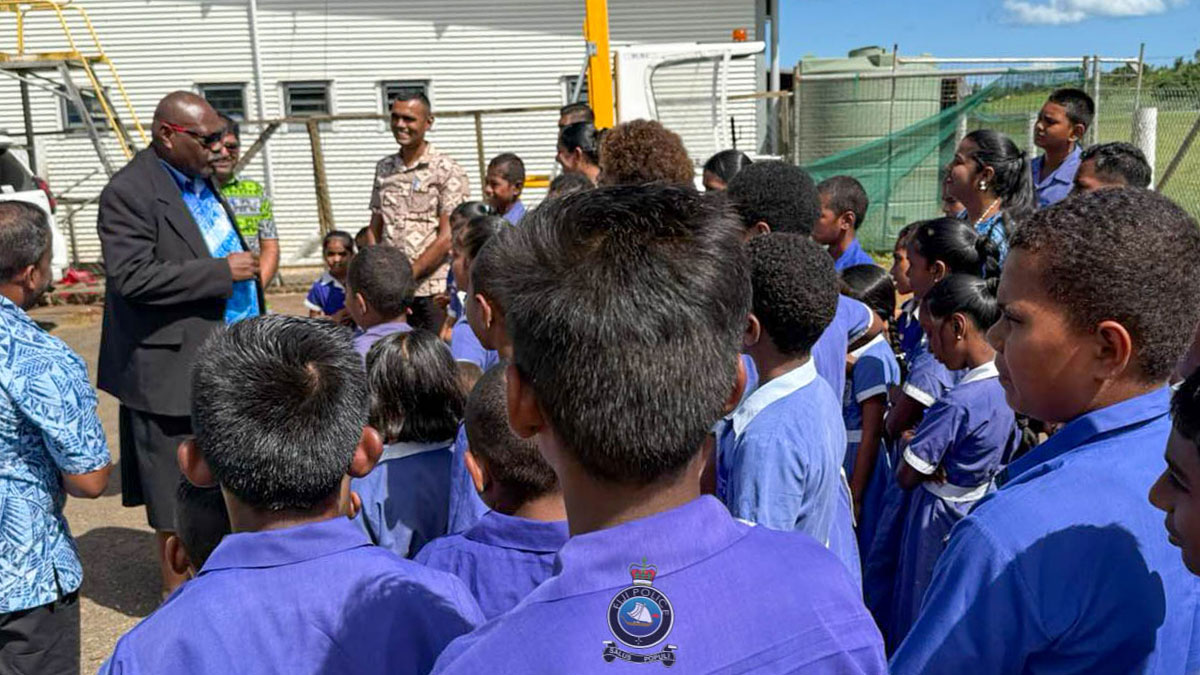
COMPOL urges Lagalaga Sanatan students to value discipline and education
Students of Lagalaga Sanatan Primary School in Labasa have been reminded of the importance of education, discipline and obedience by the Commissioner of Police Rusiate Tudravu. Tudravu spoke to the students during

Heavy Rain Alert remains for Viti Levu, Southern Bua, Cakaudrove, Lau and Lomaiviti Groups
A Heavy Rain Alert remains in force for the Eastern half of Viti Levu from Serua, Namosi through Navua, Suva, Nausori, Tailevu, Naitasiri, Ra, Southern Bua, Cakaudrove, Taveuni, Kadavu, Lau and Lomaiviti Groups and near

Warning letter written to Prof. Narsey – Acting AG
Acting Attorney General Siromi Turaga says a strong warning letter has been written to Electoral Reform Commissioner Professor Wadan Narsey after he came out publicly with the Electoral Reform Commission report recommen

3 Fijian men from KVT gang in Sydney denied bail for AUD$12.5M drugs case
Three Fijians who are alleged to be associated with a gang supplying drugs in Sydney have been refused bail by the court. 28-year-old Eparama Nevale, 28-year-old William Ravoka, and 24-year-old George Sukanaivalu,
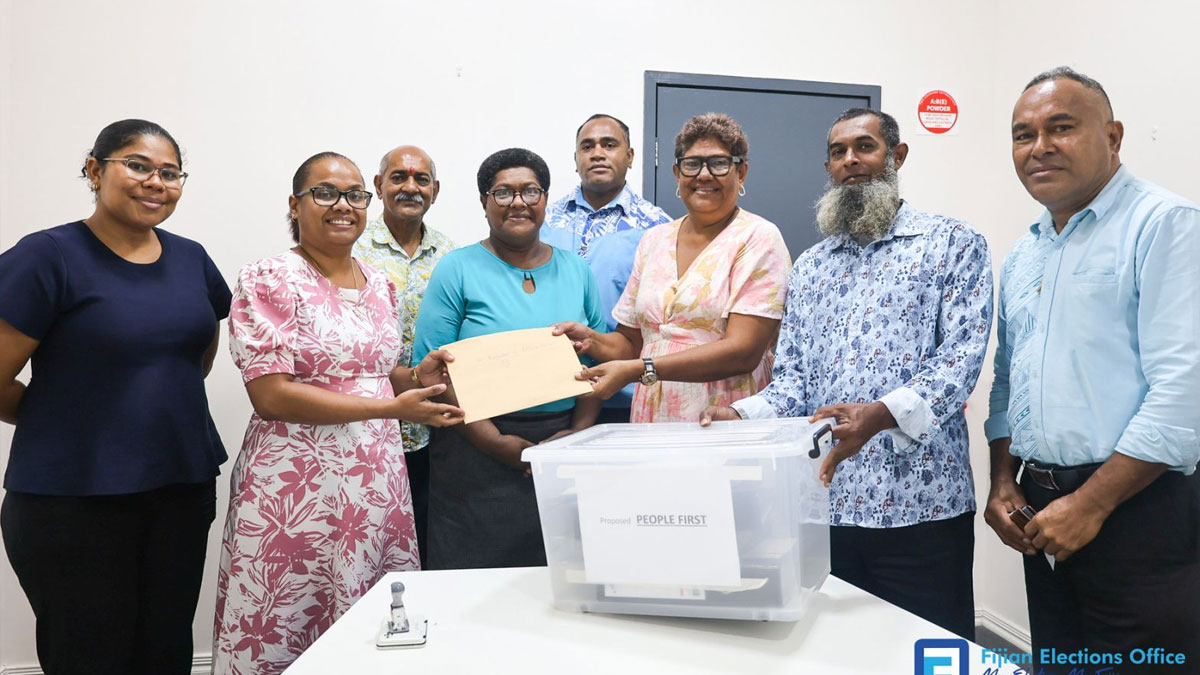
Proposed ‘People First’ submits application for registration
The Proposed ‘People First’ has submitted its application for registration to the Registrar of Political Parties, Ana Mataiciwa. Mataiciwa confirms that the FEO is now preparing to publish the party’s applica

Visitor arrivals on track for record year while sugar output drops
Visitor arrivals have recovered following a decline in the first quarter and based on current trends, Fiji is on track to achieve a third consecutive year of record visitor arrivals in 2025. While speaking on the p