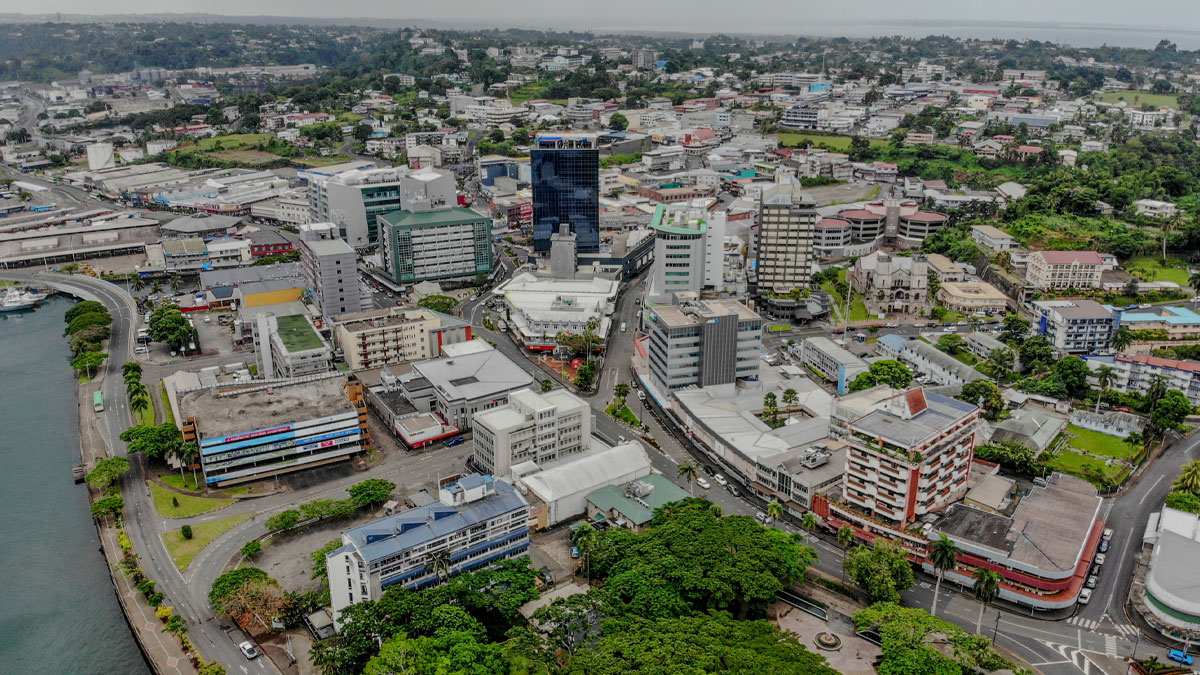
A new report reveals that the methamphetamine ravaging people here in Fiji is shipped by air and sea from British Columbia in Canada, the United States and Southeast Asia to lucrative markets in New Zealand and Australia, and also how British Columbia gangsters are damaging our country.
This has been highlighted in a Vancouver Sun report by Drug Free World Fiji founder, Kalesi Volatabu, Fijian police and transnational crime experts.
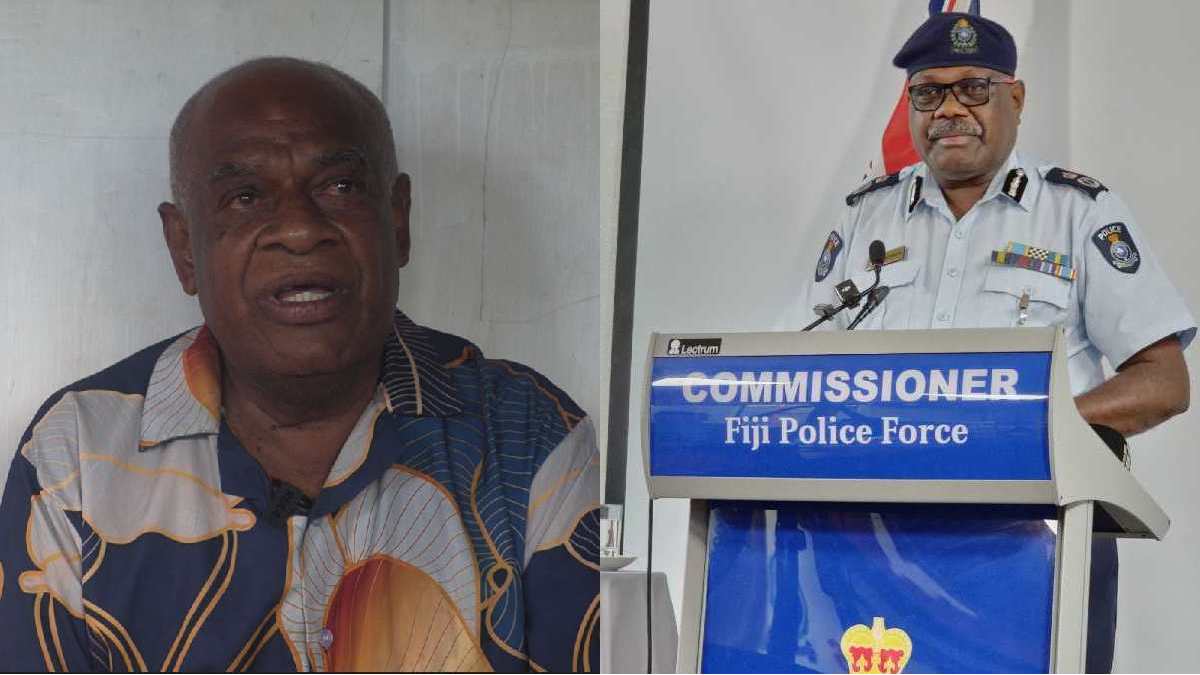
The Director of the Fiji Police Narcotics Bureau, Superintendent Seru Neiko says we are unable to police our borders, especially our maritime border, and the possibility of drug consignments being dropped off at sea and then picked up and transported further to another destination, is something that we cannot really manage just because of the resources that we have.
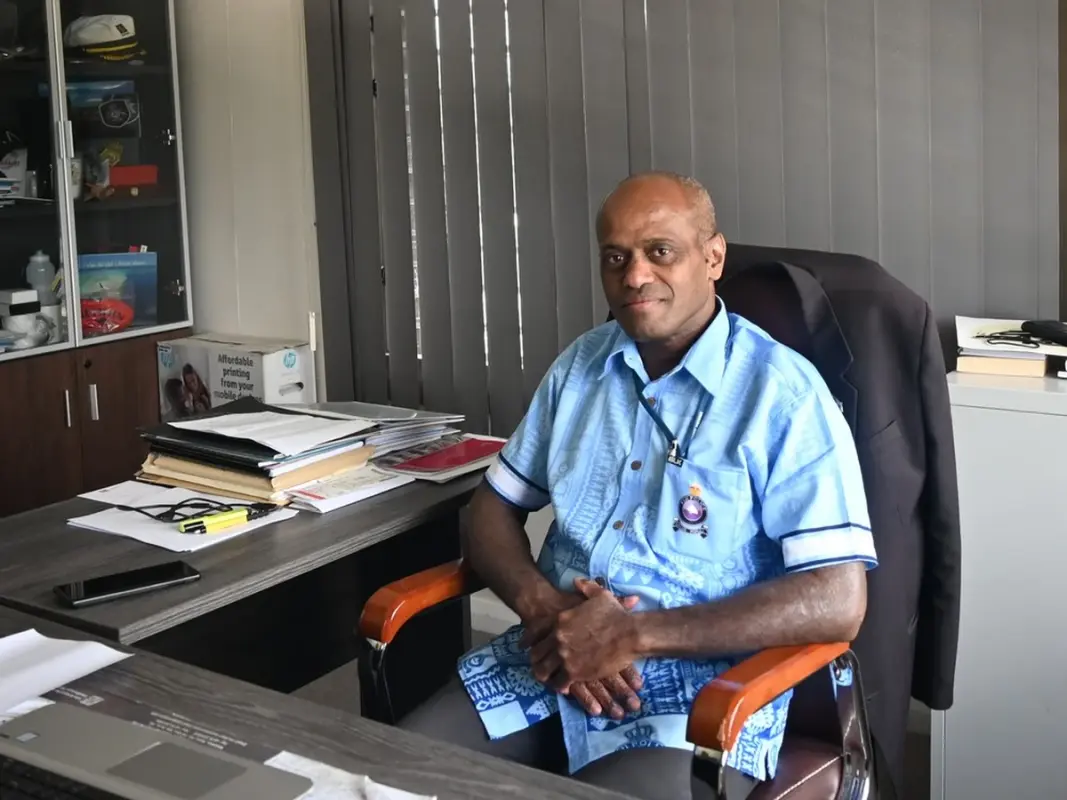
Supt. Seru Neiko, director of the narcotics bureau for Fiji police. PHOTO: BY KIM BOLAN /Postmedia News
Neiko says what they have seen coming up from Canada to Fiji is liquid methamphetamine.
His agency was so concerned about the air freight shipments from British Columbia that Neiko contacted the Royal Canadian Mounted Police representative in Canberra, Australia, prompting a delegation to visit last summer that included Mounties and Canada Border Services agents.
But he admitted that the more easily detected smaller shipments don’t compare to the “spillage†from the huge loads en route to Australia and New Zealand.
There have been record seizures of methamphetamine from Canada in both countries over the last year.
Sometimes ships are dumping their illicit loads on or near Fijian islands, where fishing vessels and yachts pick them up and transport them the rest of the way. There is also suspicion that some methamphetamine is being “stacked†here in Fiji — unloaded in containers to be transported at a later date.
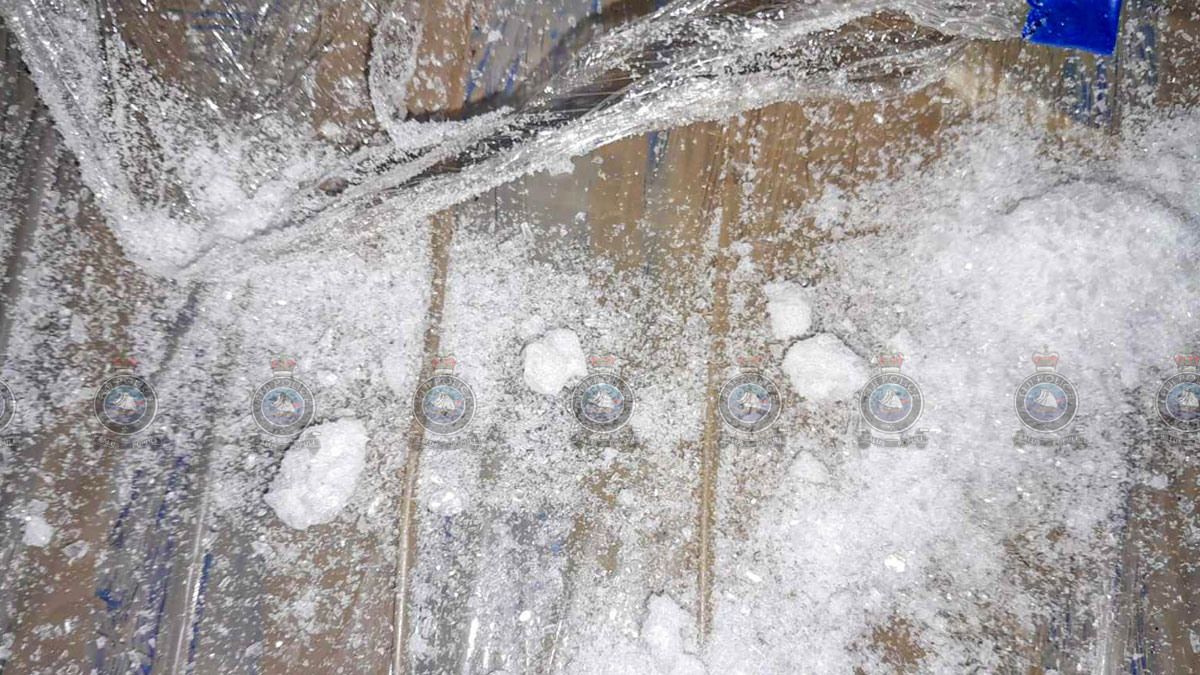
Earlier this month, police found a record three tonnes of meth hidden in 797 plastic containers inside a house under construction for years in Nadi and likely destined for Australia. Another tonne of meth was found over the weekend in Nadi.
Neiko says the international shippers are paying locals to help them.
And he says those local players are being paid with the commodity itself.
Neiko says that is why we have seen a lot of small pockets of dealers dealing with methamphetamine and other types of drugs, but especially with the methamphetamine.
The effects have been devastating in Fiji.
As earlier highlighted by fijivillage News, young teens have been seen injecting methamphetamine, sex workers and homeless youth share dirty needles, and some taxi and bus drivers are using the dangerous drug to work for days without sleeping.
Four years ago, Volatabu said she returned to Fiji after decades in Australia with one goal — to raise awareness about the frightening increase in meth use here.
The Drug Free World Fiji founder says she felt the government officials and police at the time had their heads in the sand about how bad things had got.
Volatabu says she needed the government to actually formally acknowledge that we have a problem — and that was the biggest push.
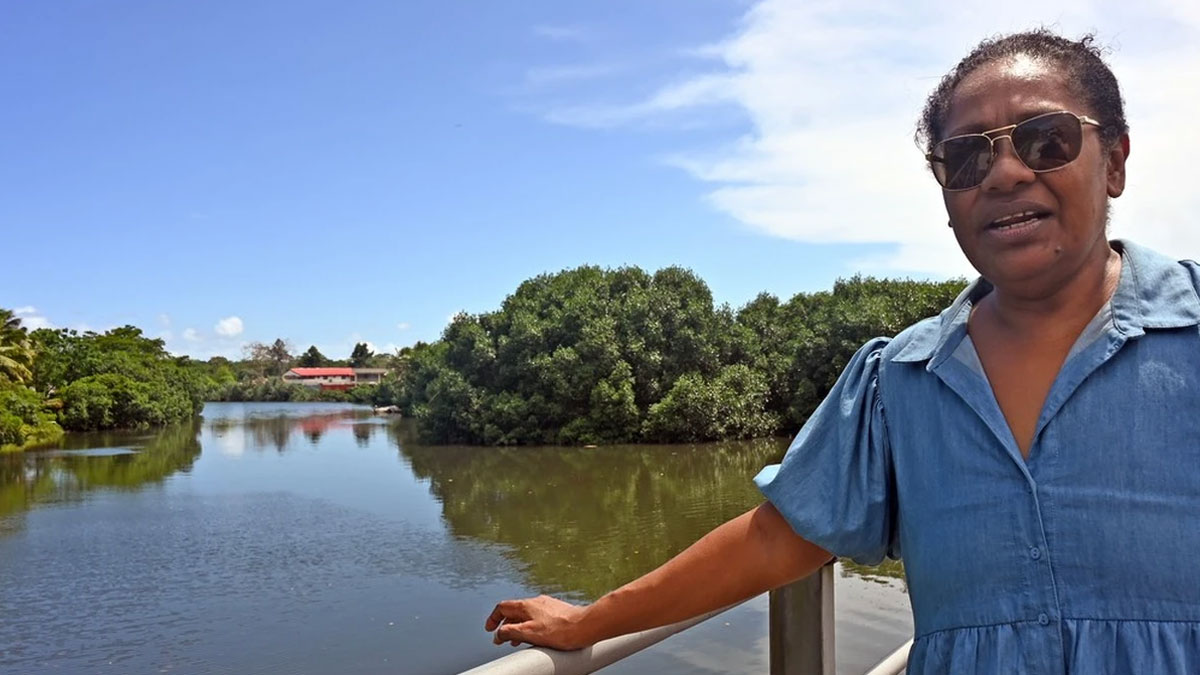
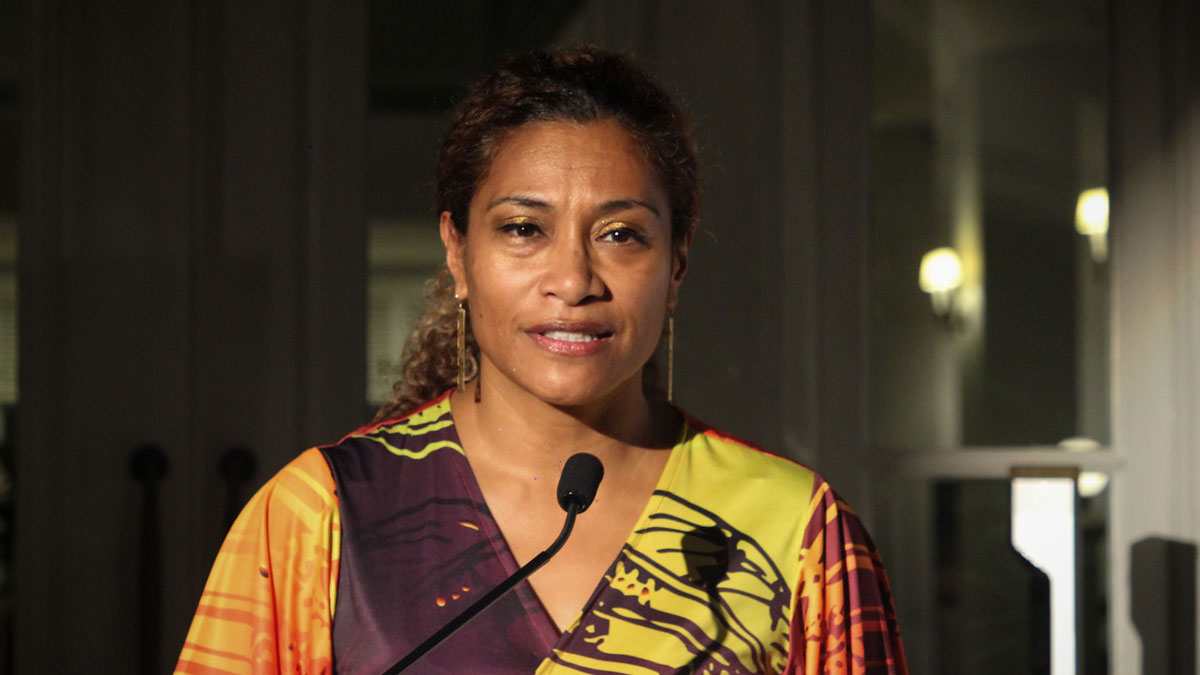
Kalesi Volatabu, the dynamic founder of Drug-Free World Fiji, shows one of the canals used by drug smugglers in Suva, Fiji. Kalesi Volatabu is the founder of Drug Free World Fiji. PHOTO: BY KIM BOLAN /Postmedia
She also pointed out the dinghies tied up, explaining how the boats are used to bring meth into Suva from the smaller outer islands.
She says the little dinghies are how they actually transfer the drugs.
Valatabu says she totally gets that whether it be methamphetamine or cocaine, it’s being transferred through Fiji to New Zealand and Australia.
However she says the market is also in Fiji now and there is demand here.
Postmedia recently travelled to Australia, New Zealand and Southeast Asia to investigate the international links of British Columbia criminal organizations and their role in smuggling tonnes of methamphetamine and other drugs into this region through the Port of Vancouver.
The investigation found Canadians at the top of the transnational smuggling chain, basing themselves in places like Vietnam and Taiwan to avoid arrest back home. And their illegal enterprises are having a devastating impact in poorer Pacific countries like Fiji.
Commander Clint Sims of the Australian Border Force says they see cartels, particularly from Mexico, moving drugs to countries like Canada and then they exploit it through all streams and not just parasitic attachments.
They use “roll-on, roll-off†freight like new vehicles and heavy equipment transported by bulk carrier, and they send drugs by air cargo and even through international mail, sending hundreds of packages in what is known as shotgunning.
Source : vancouver sun
/+ARTICLE-293143+ARTICLE/