
The Fiji Human Rights Commission believes that the proposed People's Charter may form the basis of a future development plan, which will assist in promoting a national identity in Fiji.
In its report to the committee dealing with the UN's International Convention on the Elimination of All Forms of Racial Discrimination, the Human Rights Commission said it is concerned that meaningful efforts have not been made to develop a national identity for all citizens in Fiji.
The FHRC has told the UN Committee on Elimination of Racial Discrimination that prior to December 2006, a national identity could not be developed due to largely entrenched racial separatism and segregation in Government policy and programs, and racial discrimination in areas of education and public service.
The commission's report to the CERD committee also raises concern that the media, which is mostly privately owned in Fiji, has not developed programs to assist with building a non-racial and secular national identity. It also said that the Media Council Code of Conduct prohibits programs and advertisements that have the effect of promoting racial discrimination and discord but complaints to the commission show that this is ineffectively monitored.
The FHRC said it is closely monitoring the People's Charter process in its role as an independent watchdog of rights in Fiji.
It has also informed the People's Charter Secretariat of the Commission's monitoring role to ensure that the Charter complies with the requirements of the Convention on the Elimination of All Forms of Racial Discrimination.
Meanwhile the FHRC reveals that a review of various relevant pieces of legislation relating to indigenous rights is currently being undertaken by the Ministry of Indigenous Affairs in Fiji.
It said the 1997 constitution contains specific provisions on the protection and enhancement of indigenous Fijian rights.
The FHRC said these reviews by the ministry should ensure the protection of indigenous rights contained in the law comply with international standards relating to the prohibition of racial discrimination.
The commission also told the committee that racial segregation in Fiji's social, economic and political structures was introduced during the colonial era by Britain which had pursued a development policy of 'Fijian land, Indian labour and European capital'.
It said that since 1970 unequal representation and discrimination continued and the new constitution attempted to reintroduce the right to equality in Fiji, with limited success.
In its conclusion in the report to Geneva, the FHRC said it fully supports the interim government's proposal to remove all elements of racial segregation and separatism from the 1997 constitution.
Indigenous rights reviewed-FHRC

Related Stories
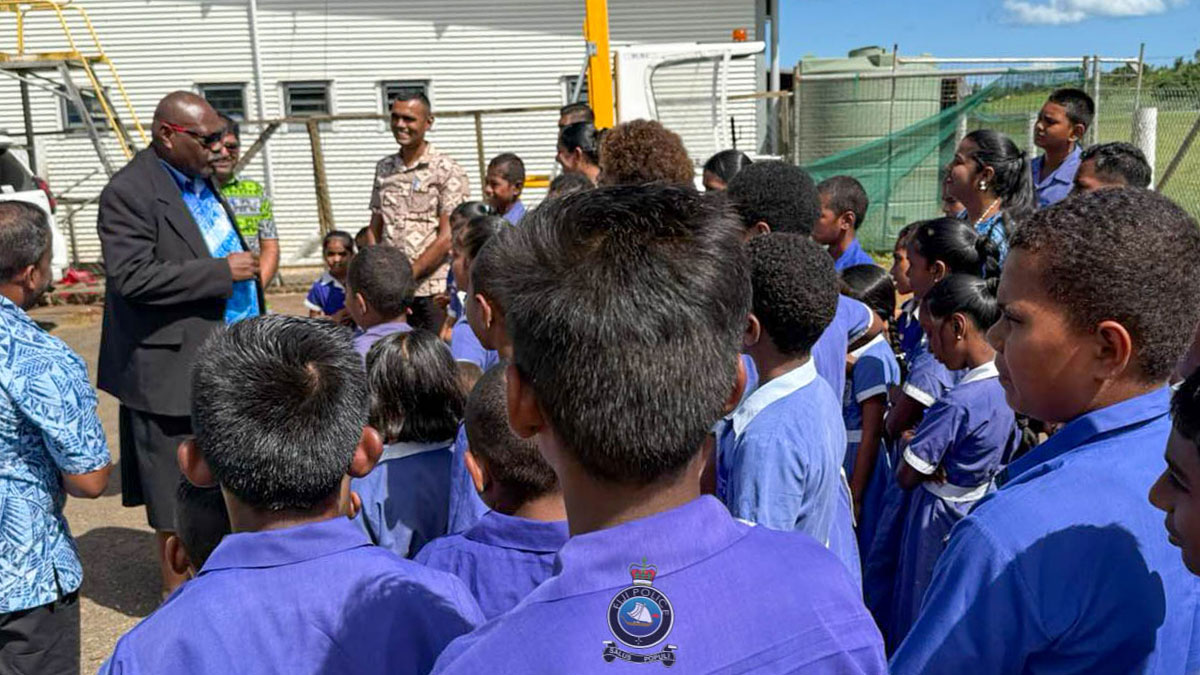
COMPOL urges Lagalaga Sanatan students to value discipline and education
Students of Lagalaga Sanatan Primary School in Labasa have been reminded of the importance of education, discipline and obedience by the Commissioner of Police Rusiate Tudravu. Tudravu spoke to the students during

Heavy Rain Alert remains for Viti Levu, Southern Bua, Cakaudrove, Lau and Lomaiviti Groups
A Heavy Rain Alert remains in force for the Eastern half of Viti Levu from Serua, Namosi through Navua, Suva, Nausori, Tailevu, Naitasiri, Ra, Southern Bua, Cakaudrove, Taveuni, Kadavu, Lau and Lomaiviti Groups and near
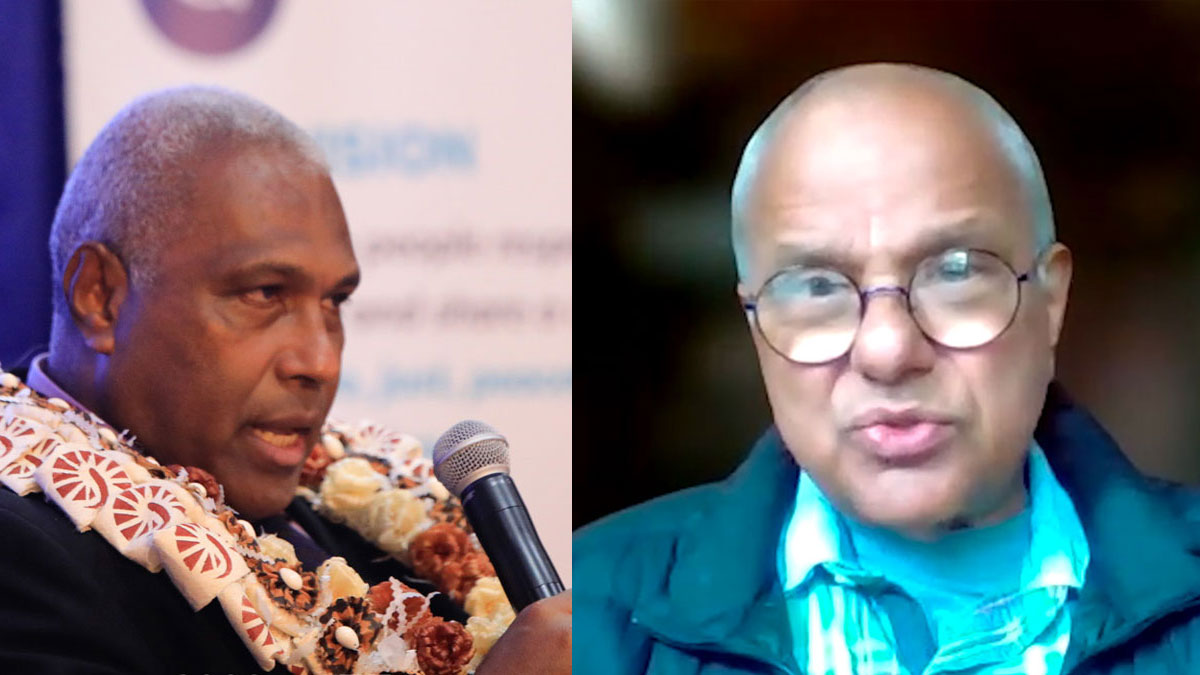
Warning letter written to Prof. Narsey – Acting AG
Acting Attorney General Siromi Turaga says a strong warning letter has been written to Electoral Reform Commissioner Professor Wadan Narsey after he came out publicly with the Electoral Reform Commission report recommen

3 Fijian men from KVT gang in Sydney denied bail for AUD$12.5M drugs case
Three Fijians who are alleged to be associated with a gang supplying drugs in Sydney have been refused bail by the court. 28-year-old Eparama Nevale, 28-year-old William Ravoka, and 24-year-old George Sukanaivalu,
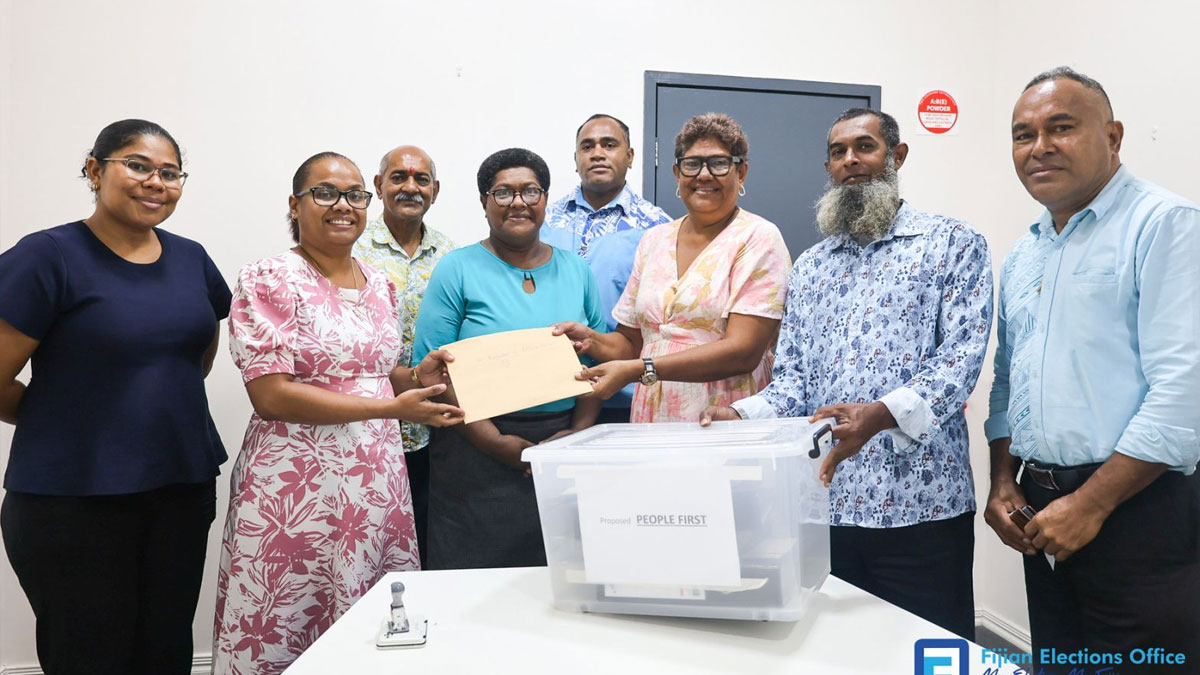
Proposed ‘People First’ submits application for registration
The Proposed ‘People First’ has submitted its application for registration to the Registrar of Political Parties, Ana Mataiciwa. Mataiciwa confirms that the FEO is now preparing to publish the party’s applica
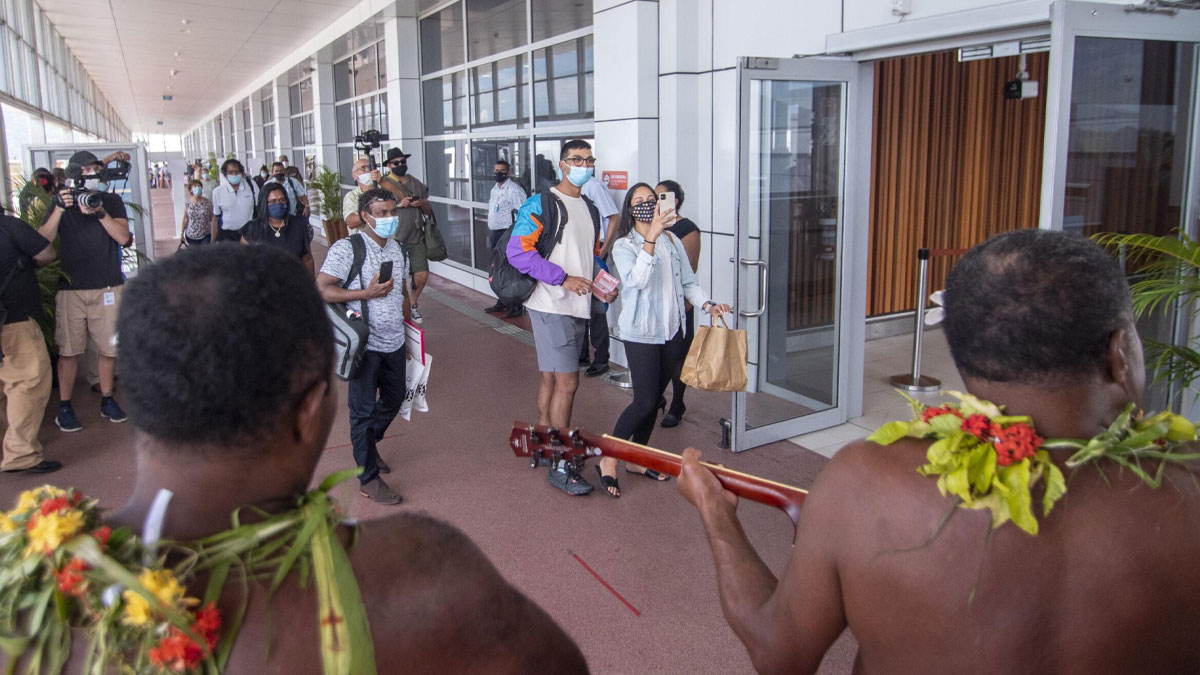
Visitor arrivals on track for record year while sugar output drops
Visitor arrivals have recovered following a decline in the first quarter and based on current trends, Fiji is on track to achieve a third consecutive year of record visitor arrivals in 2025. While speaking on the p