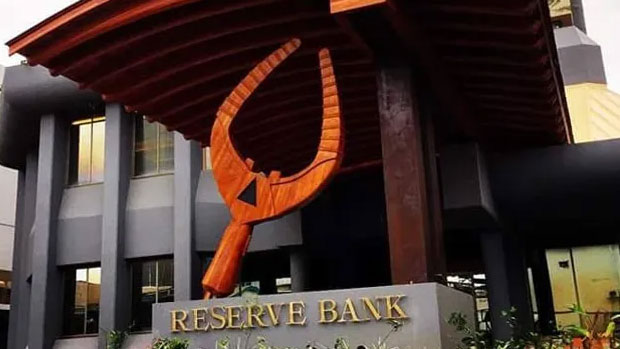
The Reserve Bank of Fiji says the Fijian economy is now expected to go down in 2020 against a 1.7 percent growth earlier projected, and the full effect of how the economy gets affected from COVID-19 cannot be predicted as the situation remains fluid.
RBF has also made it clear that based on it’s baseline scenario, the magnitude of the contraction in the Fijian economy will depend on how long the COVID-19 pandemic persists.
RBF Governor, Ariff Ali says partial indicators for consumption and investment in Fiji point to sustained softness in aggregate demand, which means consumption and investments are expected at reduced levels.
Ali also says credit growth continues to slow down, as job recruitment intentions were low in the first two months of the year in Fiji.
The RBF Governor says the negative impact of the coronavirus has already been felt in the tourism industry in Fiji, with cancelled travel and hotel bookings as well as reduced flights.
Ali says given the industry’s major and deep linkages with the rest of the economy, flow-through effects will also affect the key wholesale and retail trade, construction, transport and manufacturing sectors, including Government revenue.
The RBF says nevertheless, several factors should help mitigate the impact of COVID-19 on the domestic economy.
Ali says excess bank liquidity remains adequate, totalling $669 million as at 17th March 2020.
The Governor says Fiji’s financial system is also assessed to be sound, underpinned by solid capitalisation and liquidity ratios.
He says inflation in February came out at a historic low of -3.0 percent due to annually lower prices for Yaqona, vegetables & fruits and kerosene.
Foreign reserves are also adequate at $2.264 billion as at today, equivalent to 5.8 months of retained imports of goods and services cover.
/+ARTICLE-257443+ARTICLE/