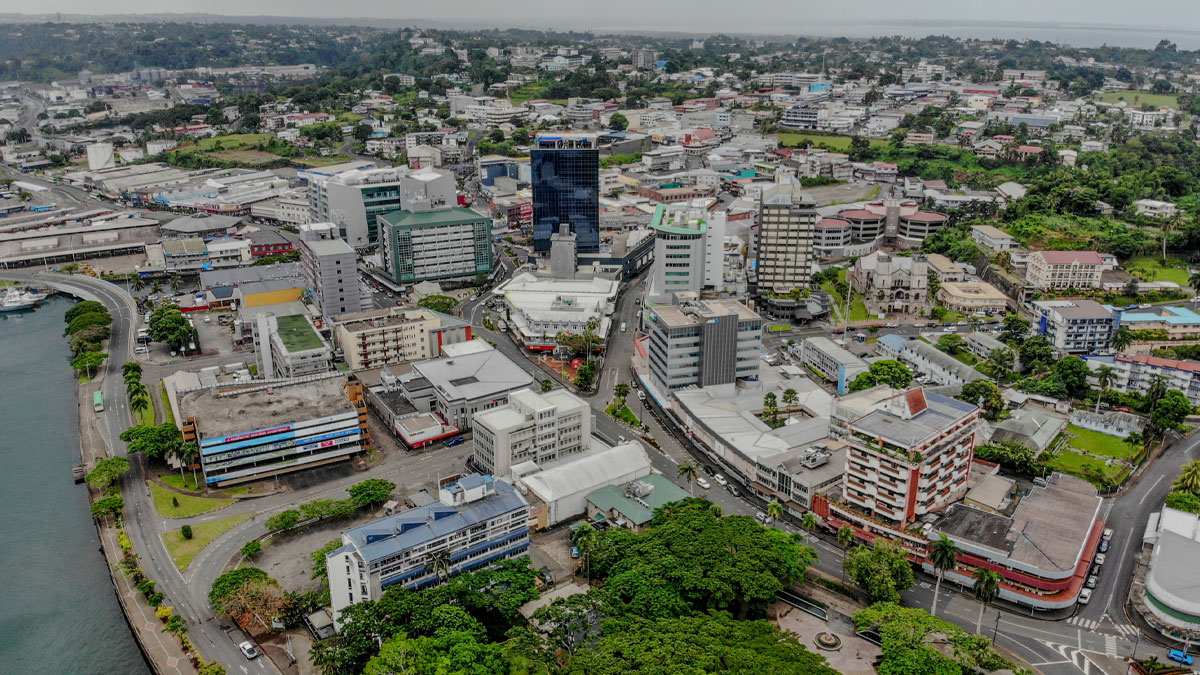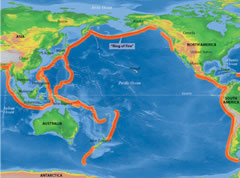
Fiji is always in a vulnerable position to experience major earthquakes and tsunamis as we sit in the middle of the Pacific Rim of Fire.
Earthquakes occur throughout the world but certain areas are more prone to them than others.
Unfortunately Fiji is within the Pacific Rim of Fire, the zone of earthquakes and volcanoes which surround the Pacific Ocean.
Over the years, many people have become complacent and do not heed the warnings of tsunamis as they start believing that Fiji will never be hit severely.
But the fact is that there are more earthquakes occurring in the Pacific region in recent years.
This year, Fiji has already received two tsunami warnings and we have been fortunate that the tsunami generated in our waters was not life threatening.
On March 19th after the Tonga quake, there was wave activity but it was a very low level of tsunami in our waters measuring about seven centimetres.
On Wednesday after the Samoa quake, Fiji was lucky to only have the generation of waves to about a metre high.
Senior seismologist at the Mineral Resources Department Lasarusa Vuetibau said everyone needs to accept the fact that we are situated in a vulnerable position and we should always be prepared.
Vuetibau said there will be a lot of activity where we sit and everyone should be mindful of this.
The first known historical earthquake for Fiji was recorded in about 1850 in Kadavu where the earth opened in several parts in Kadavu.
In one part, it shook down a large cave and buried thirty or forty women who had taken shelter for the night after a fishing trip.
Then there was the Suva earthquake in 1953 which also caused a tsunami.
The tsunami following the earthquake in the Suva Harbour and Nakasaleka Bay in Kadavu caused five of the Suva earthquake's eight fatalities.
According to the Mineral Resources Department, in Fiji since 1918, when reliable recording began, a potentially dangerous earthquake of magnitude 6 or more has occurred on an average of once every three years.
Generally, an earthquake with a magnitude of 6 or more will cause major damage to buildings near the epicenter.
A scientist at the Pacific Tsunami Warning Centre said Pacific island countries including Fiji are situated in a vulnerable position and more earthquakes are occurring in these areas in recent years.
Speaking to Fijivillage News from Hawaii, Stuart Weinstein said the clear examples are the quakes in Tonga and Samoa this year which triggered the tsunami warnings.
Weinstein also has a message to the public following reports of people going to the coastal areas to witness a tsunami or like the people in Yasawa who decided to go out and collect fish from near the reef when the tide went out. They did this while the tsunami warning for Fiji was in force on Wednesday.
Audio4