
Latest figures from the Reserve Bank of Fiji show that the Fiji dollar's purchasing power continues to decrease.
The Reserve Bank of Fiji Economic review of the month of August shows that that the Real Effective Exchange Rate Index for the Fiji dollar raised by 5.3 percent in the year to July and the increase over the years indicates the worsening of the Fiji dollar's power internationally.
The Bank said this is attributed to the higher domestic inflation outcomes. However there is some good news as till the end of July the inflation rate has decreased from 7.1% to 6.4% with lower costs for food items, clothing, footwear, alcoholic drinks and tobacco.
The Sugar industry is also not performing as expected with a decline of 7.9% in cane crushed for the first two months of the crushing season resulting in an annual decline of 10.5 percent in sugar production.
The Bank than goes on to say the trade data for the first half of 2007 showed merchandise export earnings rise by 7.3% compared to a decline of 7.2% for the same period last year. This, the bank said was high because of seasonal factors.
However, the RBF said investment demand continues to exhibit weakness and the labour market remains subdued in the seven months of this year with a 10 percent drop in hiring intentions during the review period.
It has also been revealed that merchandise imports declined by around 7.4 percent, when compared to a growth of around 17.3 percent in the corresponding period in 2006.
The Reserve Bank said official Foreign reserves at the end of July stood at $877.3 million, sufficient to cover 4 months of imports of goods.
Fiji dollar’s purchasing power continues to decrease
Related Stories
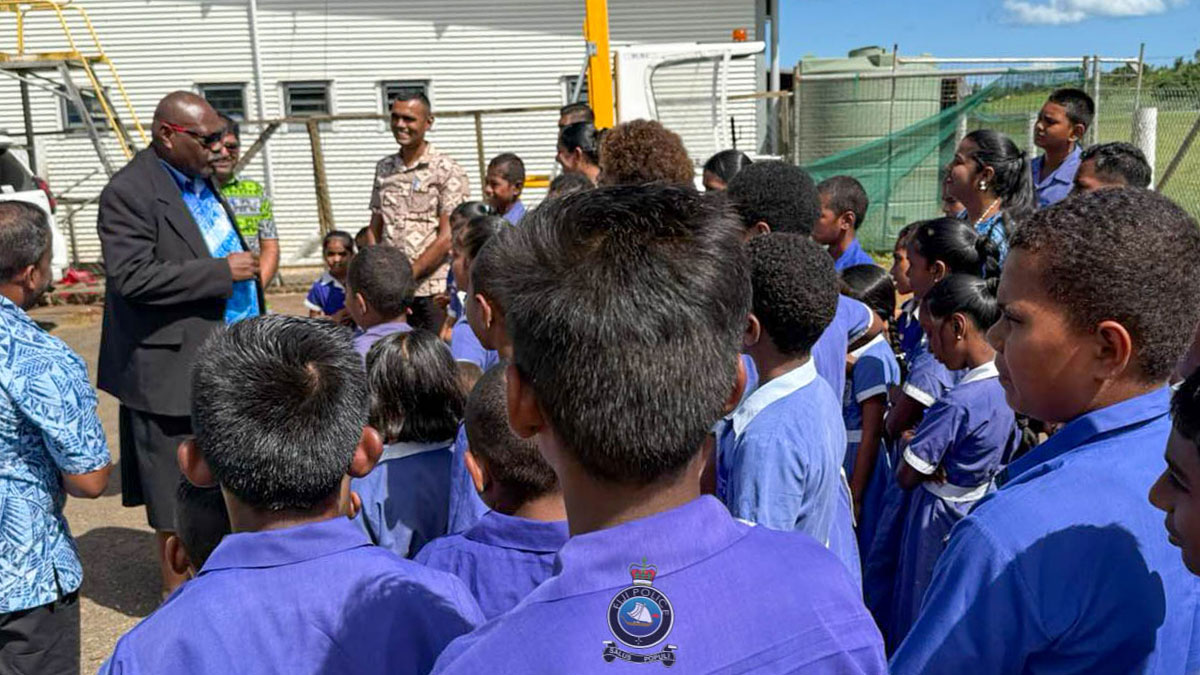
COMPOL urges Lagalaga Sanatan students to value discipline and education
Students of Lagalaga Sanatan Primary School in Labasa have been reminded of the importance of education, discipline and obedience by the Commissioner of Police Rusiate Tudravu. Tudravu spoke to the students during

Heavy Rain Alert remains for Viti Levu, Southern Bua, Cakaudrove, Lau and Lomaiviti Groups
A Heavy Rain Alert remains in force for the Eastern half of Viti Levu from Serua, Namosi through Navua, Suva, Nausori, Tailevu, Naitasiri, Ra, Southern Bua, Cakaudrove, Taveuni, Kadavu, Lau and Lomaiviti Groups and near

Warning letter written to Prof. Narsey – Acting AG
Acting Attorney General Siromi Turaga says a strong warning letter has been written to Electoral Reform Commissioner Professor Wadan Narsey after he came out publicly with the Electoral Reform Commission report recommen

3 Fijian men from KVT gang in Sydney denied bail for AUD$12.5M drugs case
Three Fijians who are alleged to be associated with a gang supplying drugs in Sydney have been refused bail by the court. 28-year-old Eparama Nevale, 28-year-old William Ravoka, and 24-year-old George Sukanaivalu,
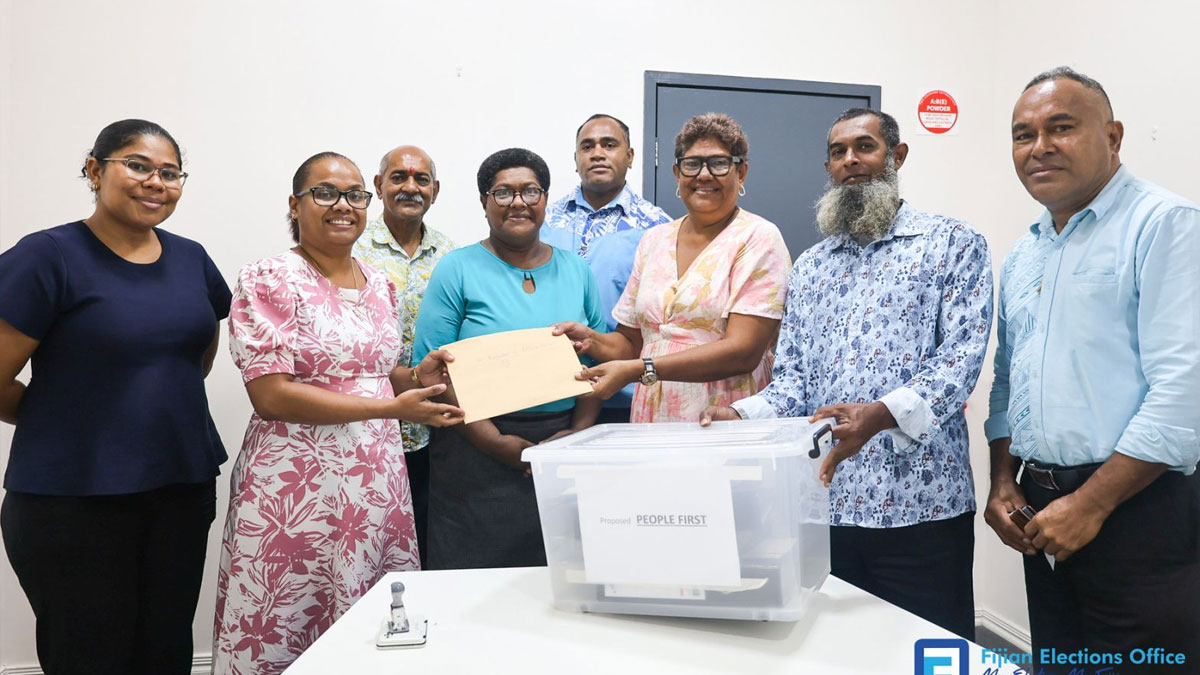
Proposed ‘People First’ submits application for registration
The Proposed ‘People First’ has submitted its application for registration to the Registrar of Political Parties, Ana Mataiciwa. Mataiciwa confirms that the FEO is now preparing to publish the party’s applica

Visitor arrivals on track for record year while sugar output drops
Visitor arrivals have recovered following a decline in the first quarter and based on current trends, Fiji is on track to achieve a third consecutive year of record visitor arrivals in 2025. While speaking on the p