
Fiji does not have a strong sense of national identity that should be evident in the various communities feeling a sense of belonging to Fiji as a country, according to the National Council for Building a Better Fiji's consultation document.
The document said that racial compartmentalization in institutions such as schools, the communal electoral system, ethnic political parties, differences in religion and culture have tended to reinforce differences rather than commonality of interests, needs and a sense of place and identity.
It said the failure to identify with the national name "Fiji Islander" introduced in the 1997 constitution is a symptom of the weakness of national identity.
The consultation document for the people further said that the weakness of national identity is complicated by the strong sense of ethnic and national identity of the indigenous Fijians who believe that because of their indigenous status, the land and the nation of Fiji belong to them first. It says this belief translates into the idea of paramountcy of political power, that indigenous Fijians must be guaranteed political leadership in the state. According to the document, underlying this belief is a feeling of insecurity and fear of others, such as the Indo Fijian community, taking over their land and depriving them of development opportunities.
The NCBBF consultation document further said that Indo Fijians believe that they are regarded as foreigners in the land of their birth and that they are second class citizens in Fiji. It said the Indo Fijians' sense of insecurity is reinforced by their lack of ownership of, or secure access to, land, which drives them to focus on education and commercial opportunities as well as emigration to other countries.
The views of the people are now being taken on the consultation document after which a People's Charter will be drawn up. The deadline for the presentation of the Charter to President, Ratu Josefa Iloilo is October this year.
Fiji Lacks National Identity-NCBBF

Related Stories
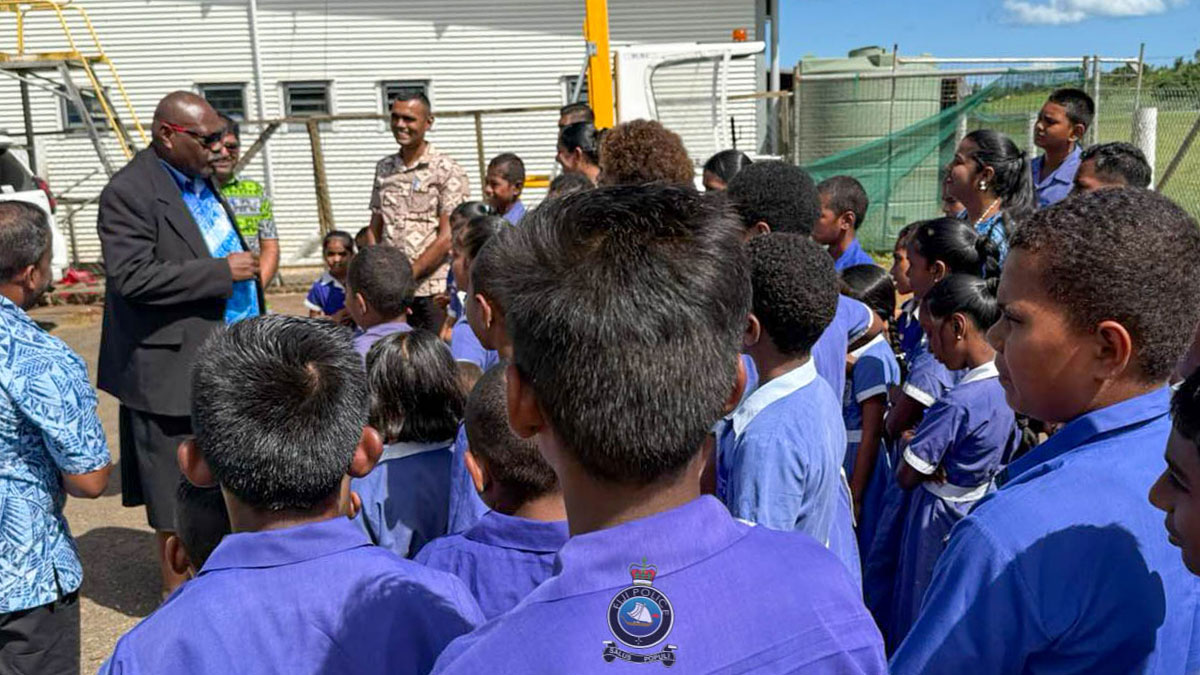
COMPOL urges Lagalaga Sanatan students to value discipline and education
Students of Lagalaga Sanatan Primary School in Labasa have been reminded of the importance of education, discipline and obedience by the Commissioner of Police Rusiate Tudravu. Tudravu spoke to the students during

Heavy Rain Alert remains for Viti Levu, Southern Bua, Cakaudrove, Lau and Lomaiviti Groups
A Heavy Rain Alert remains in force for the Eastern half of Viti Levu from Serua, Namosi through Navua, Suva, Nausori, Tailevu, Naitasiri, Ra, Southern Bua, Cakaudrove, Taveuni, Kadavu, Lau and Lomaiviti Groups and near
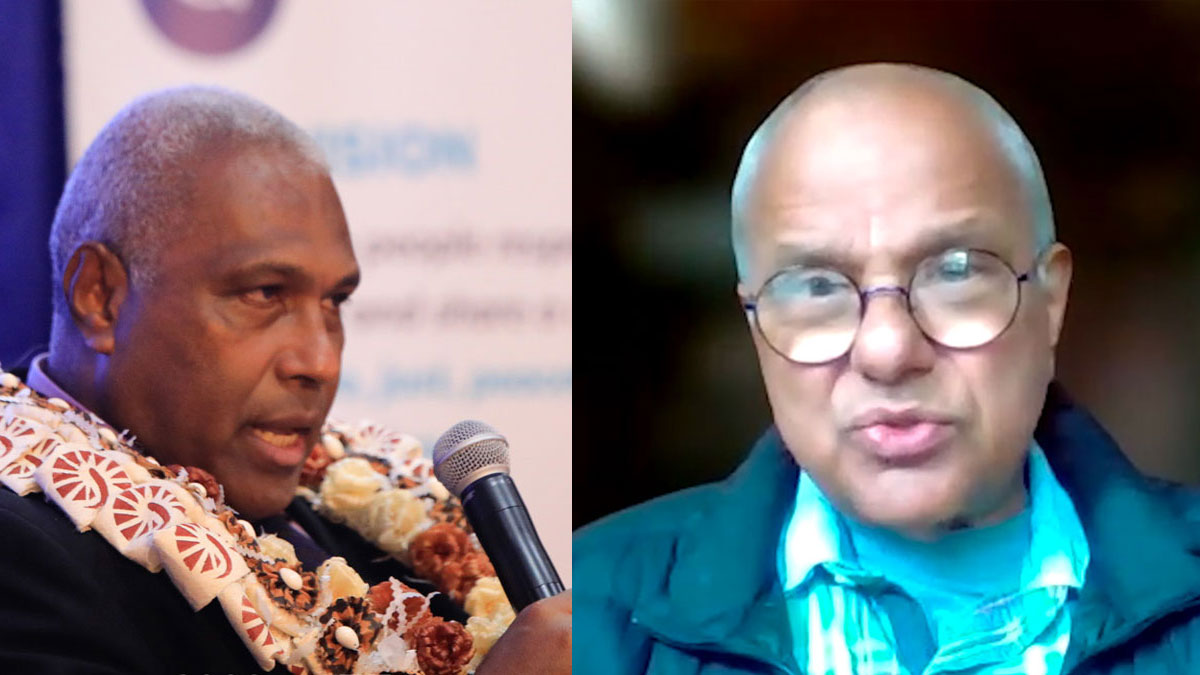
Warning letter written to Prof. Narsey – Acting AG
Acting Attorney General Siromi Turaga says a strong warning letter has been written to Electoral Reform Commissioner Professor Wadan Narsey after he came out publicly with the Electoral Reform Commission report recommen

3 Fijian men from KVT gang in Sydney denied bail for AUD$12.5M drugs case
Three Fijians who are alleged to be associated with a gang supplying drugs in Sydney have been refused bail by the court. 28-year-old Eparama Nevale, 28-year-old William Ravoka, and 24-year-old George Sukanaivalu,
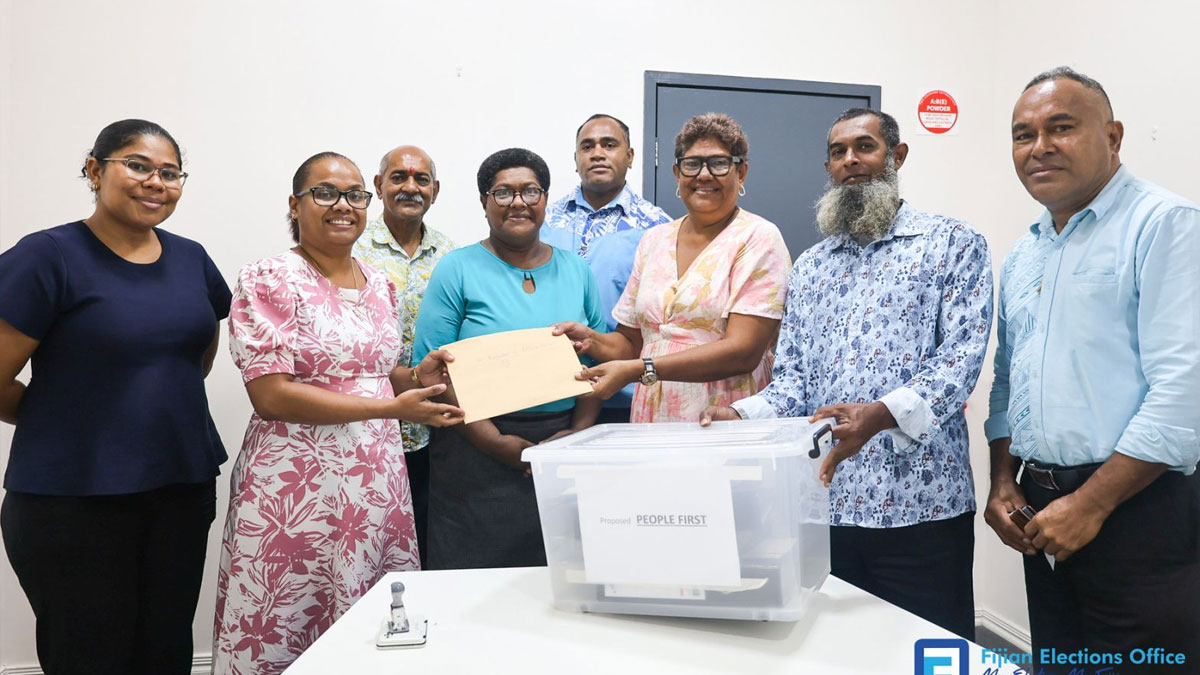
Proposed ‘People First’ submits application for registration
The Proposed ‘People First’ has submitted its application for registration to the Registrar of Political Parties, Ana Mataiciwa. Mataiciwa confirms that the FEO is now preparing to publish the party’s applica
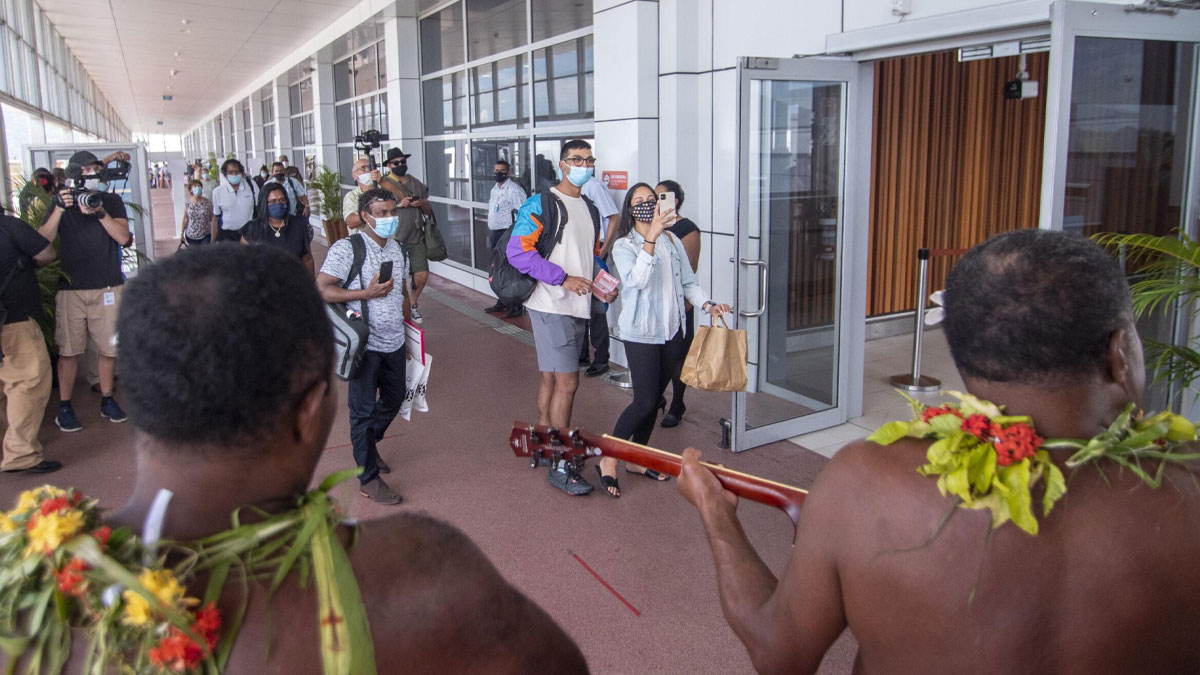
Visitor arrivals on track for record year while sugar output drops
Visitor arrivals have recovered following a decline in the first quarter and based on current trends, Fiji is on track to achieve a third consecutive year of record visitor arrivals in 2025. While speaking on the p