
What will happen if a future government deviates from the plan laid out in the Charter?
This is but one of the questions Academic and one of the three 1997 Constitution architects Dr Brij Lal is asking after the launch of the People's Charter yesterday by the President, Ratu Josefa Iloilo.
Lal said that while the Charter's progressive vision is good, the real problem is the way it was conceived.
As a constitution expert, Lal adds that the Charter cannot be binding on future governments as it is not a piece of legislation enacted by parliament and thus has no legal force or standing.
Another question put forward by Lal is how will the Charter be enforced unless there is willingness to abide by its spirit?
He said that the Charter is intended as the basis for governing Fiji in the absence of an elected government but large sections of the community have not agreed and this is also a problem.
Lal said the Charter is very descriptive, it talks about transparency, but adds there is no transparency in the Charter's conception.
Charter Not Binding on Future Govts

Related Stories
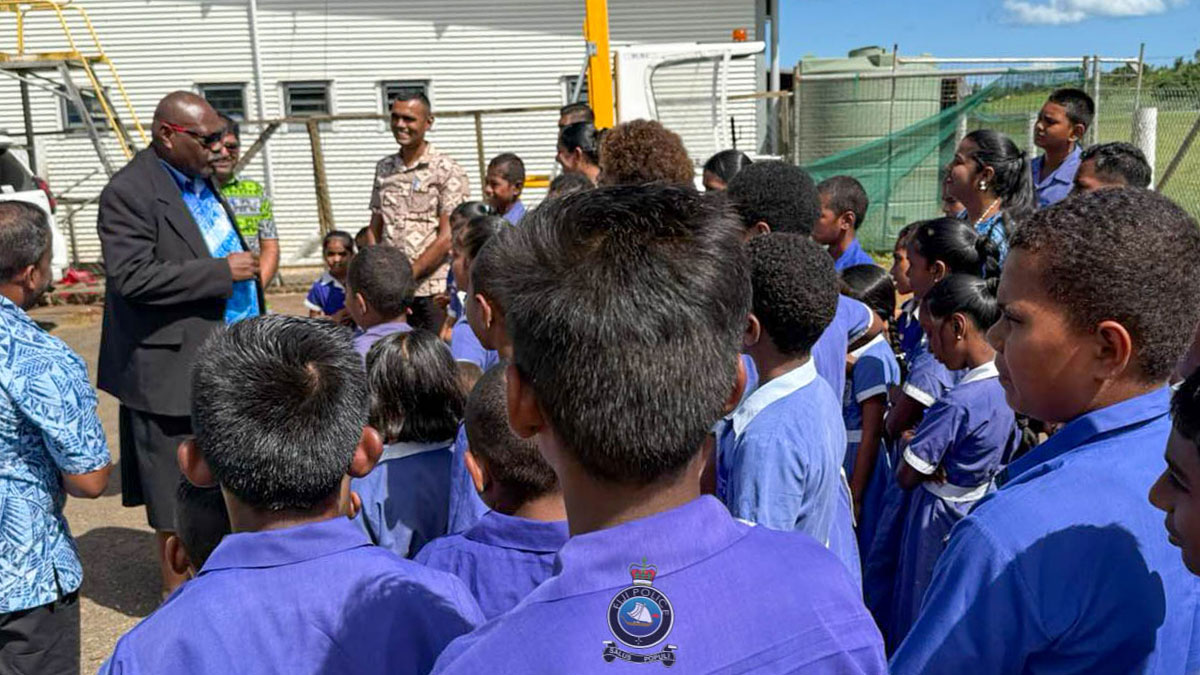
COMPOL urges Lagalaga Sanatan students to value discipline and education
Students of Lagalaga Sanatan Primary School in Labasa have been reminded of the importance of education, discipline and obedience by the Commissioner of Police Rusiate Tudravu. Tudravu spoke to the students during

Heavy Rain Alert remains for Viti Levu, Southern Bua, Cakaudrove, Lau and Lomaiviti Groups
A Heavy Rain Alert remains in force for the Eastern half of Viti Levu from Serua, Namosi through Navua, Suva, Nausori, Tailevu, Naitasiri, Ra, Southern Bua, Cakaudrove, Taveuni, Kadavu, Lau and Lomaiviti Groups and near
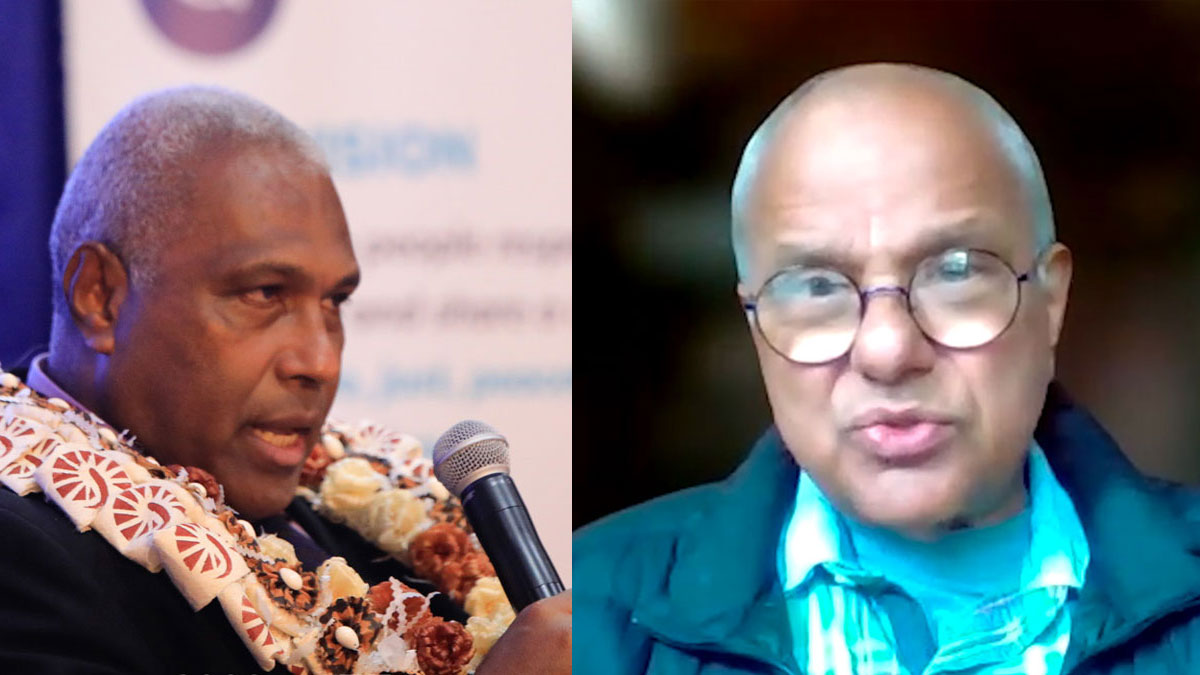
Warning letter written to Prof. Narsey – Acting AG
Acting Attorney General Siromi Turaga says a strong warning letter has been written to Electoral Reform Commissioner Professor Wadan Narsey after he came out publicly with the Electoral Reform Commission report recommen

3 Fijian men from KVT gang in Sydney denied bail for AUD$12.5M drugs case
Three Fijians who are alleged to be associated with a gang supplying drugs in Sydney have been refused bail by the court. 28-year-old Eparama Nevale, 28-year-old William Ravoka, and 24-year-old George Sukanaivalu,
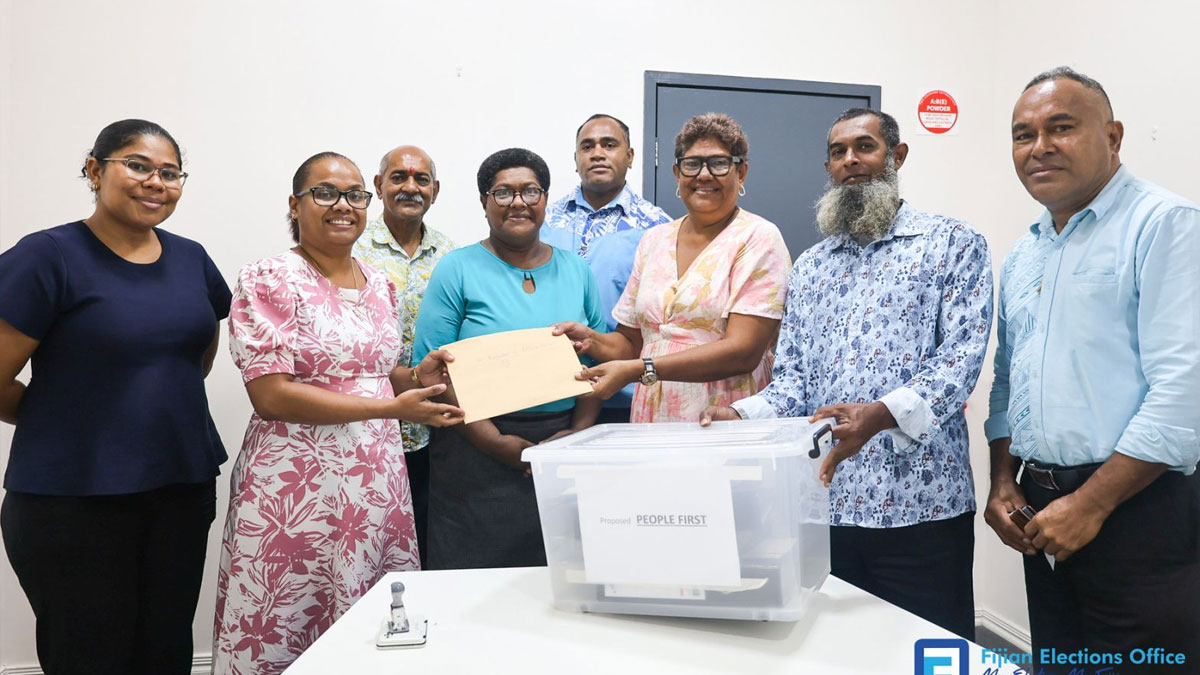
Proposed ‘People First’ submits application for registration
The Proposed ‘People First’ has submitted its application for registration to the Registrar of Political Parties, Ana Mataiciwa. Mataiciwa confirms that the FEO is now preparing to publish the party’s applica
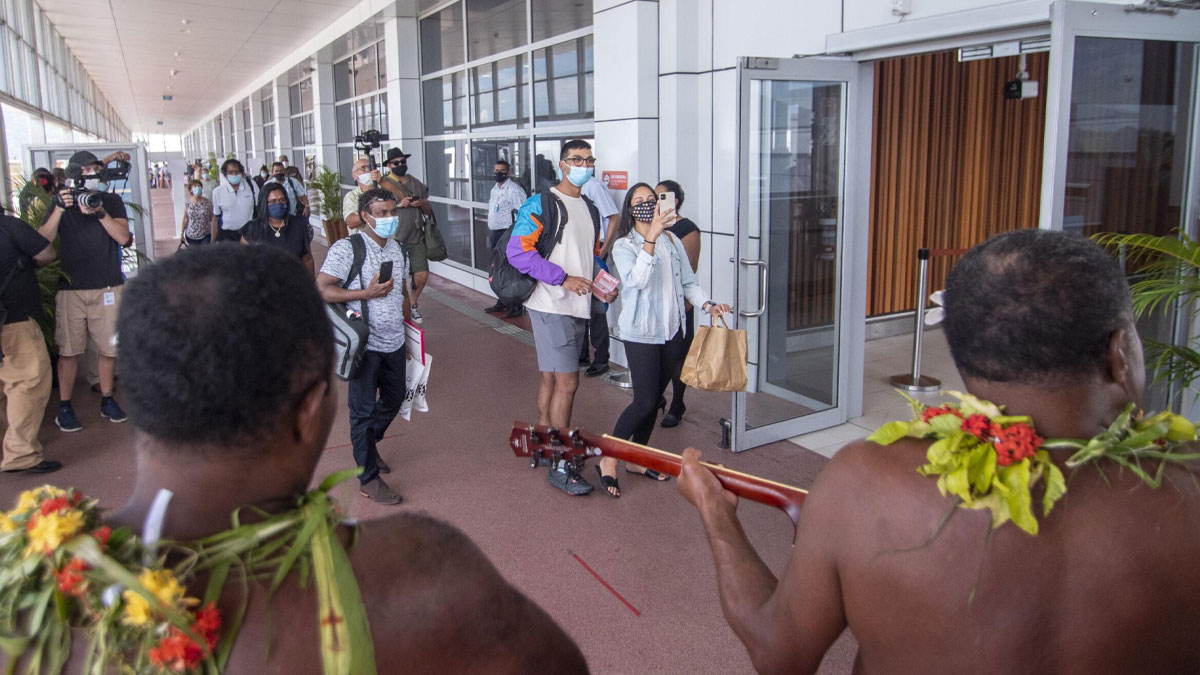
Visitor arrivals on track for record year while sugar output drops
Visitor arrivals have recovered following a decline in the first quarter and based on current trends, Fiji is on track to achieve a third consecutive year of record visitor arrivals in 2025. While speaking on the p