
The final figures from the 2007 national census have been released by the Bureau of Statistics which confirms earlier figures that the current population stands at 837,271 compared to 775,077 in 1996.
The confirmed figures highlight an increase in the indigenous Fijian population from 393,575 in 1996 to 475,739 during the census period last year while there is a decrease in the Indo Fijian population from 338,818 to 313,798. There is also an increase in the population of those classified as others from 42,684 in 1996 to 47,734.
The Bureau of Stats said the dramatic change of the ethnic composition of the population, which started in the 1950's and gathered momentum after the 1987 coups has continued between 1996 and 2007 which shows that 56.8 percent of the population is Fijian, 37.5% Indian and the remaining groups constitute 5.7%.
It said if the present trend continues, the Fijian population will overtake the Indian population in the two provinces of Ba and Macuata where in 2007, there still was a significant Indian majority.
The figures also show a decrease in the rural population amongst all ethnic groups and increase in urban populations across the ethnic classifications.
The figures highlight that Nasinu has a rather odd situation and is still the major area in Fiji which still experiences rapid growth of the Indian population and in 2007 the population in Nasinu town stood at 76,064 which was higher than the population in Suva City at 74,481 and much higher than the population in Lautoka City which is 43,473 persons.
The Census also shows that the growth in the Rewa Province has come to a complete standstill and is now slightly negative.
The Ba province still has the largest population however the Bureau said given the current trends, the population of Naitasiri will surpass that of Ba in 2033.
As highlighted earlier, the Northern division experienced a very substantial population decrease mainly due to the exodus of Indians from the Macuata province.
In the Eastern Division, the population of Lau and Rotuma continued to decline at a rapid rate.
Bureau Releases Final Figures

Related Stories
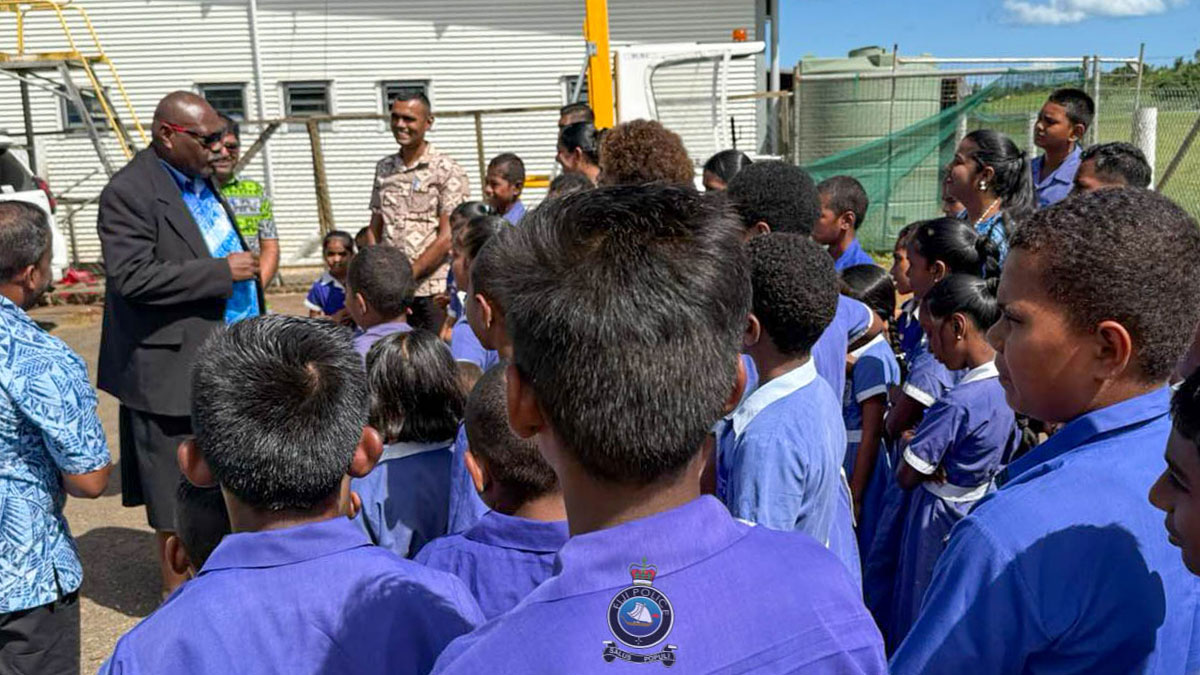
COMPOL urges Lagalaga Sanatan students to value discipline and education
Students of Lagalaga Sanatan Primary School in Labasa have been reminded of the importance of education, discipline and obedience by the Commissioner of Police Rusiate Tudravu. Tudravu spoke to the students during

Heavy Rain Alert remains for Viti Levu, Southern Bua, Cakaudrove, Lau and Lomaiviti Groups
A Heavy Rain Alert remains in force for the Eastern half of Viti Levu from Serua, Namosi through Navua, Suva, Nausori, Tailevu, Naitasiri, Ra, Southern Bua, Cakaudrove, Taveuni, Kadavu, Lau and Lomaiviti Groups and near

Warning letter written to Prof. Narsey – Acting AG
Acting Attorney General Siromi Turaga says a strong warning letter has been written to Electoral Reform Commissioner Professor Wadan Narsey after he came out publicly with the Electoral Reform Commission report recommen

3 Fijian men from KVT gang in Sydney denied bail for AUD$12.5M drugs case
Three Fijians who are alleged to be associated with a gang supplying drugs in Sydney have been refused bail by the court. 28-year-old Eparama Nevale, 28-year-old William Ravoka, and 24-year-old George Sukanaivalu,

Proposed ‘People First’ submits application for registration
The Proposed ‘People First’ has submitted its application for registration to the Registrar of Political Parties, Ana Mataiciwa. Mataiciwa confirms that the FEO is now preparing to publish the party’s applica

Visitor arrivals on track for record year while sugar output drops
Visitor arrivals have recovered following a decline in the first quarter and based on current trends, Fiji is on track to achieve a third consecutive year of record visitor arrivals in 2025. While speaking on the p