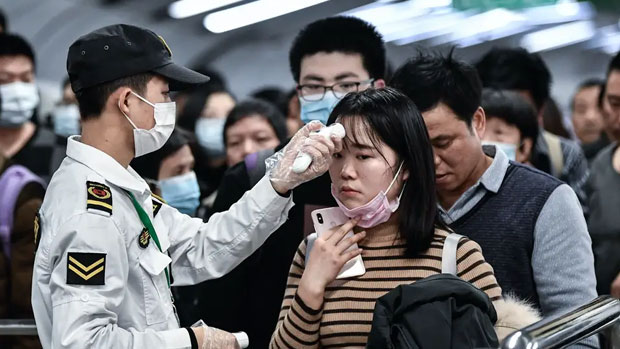
Minister for Health, Doctor Ifereimi Waqainabete confirms that as part of our state of preparedness for Coronavirus, Fiji Airways is also identifying all at-risk travellers checking-in at overseas airports and these travellers will be required to undergo thermal screenings prior to boarding.
Fijivillage News has received confirmation that thermal screenings are now underway for Fiji Airways passengers boarding flights from Hong Kong, Singapore and Japan.
All passengers are also being met by health officers who have reviewed their health declarations and determined if they have recently travelled to the Hubei Province. Enhanced monitoring has also been instituted at Nadi International Airport.
Fiji Airways confirms that the six guests travelling from Nadi to Apia on Sunday were denied entry into Samoa due to the Samoan Government’s Heath quarantine measures. The six travelled on a Hong Kong to Nadi flight earlier that day. Samoa has banned persons whose travel originates from countries declared ‘affected from the Coronavirus’ within a 14-day period.
Following their inadmissibility into Samoa, the six guests were returned to their originating port, Nadi, as per protocol.
According to Fijian Ministry of Health, the 6 Chinese nationals were medically screened. All six were examined by a doctor and assessed as well, with no fever. All six are from Fujian province in China. None had a history of travel to Wuhan, or Hubei province.
However, as a precaution, further investigations are underway for one of the passengers, a 71-year-old male, and the group remains under quarantine until they are cleared to fly.
Fiji Airways says that all six guests had originally only presented themselves in Hong Kong on Saturday to check-in for flight FJ392. The airline company says that they were screened upon arrival into Nadi from Hong Kong, as per practice for inbound flights, and cleared by Fijian Health officials.
Fiji Airways also notes that the group was denied entry into Samoa based on a ‘Special Travel Advice/Restriction’ received by the airline on Friday January 24th. It says this ‘Special Travel Advice/Restriction’ also stated that the earlier-mentioned requirements for entry into Samoa “would come into force 7 days after issue of the notification”.
The six guests from China are under observation by Fijian Health officials. They will only be able to travel after cleared by the authorities.
There are no confirmed cases of Coronavirus in Fiji.
Vijay Narayan
Shipping ports
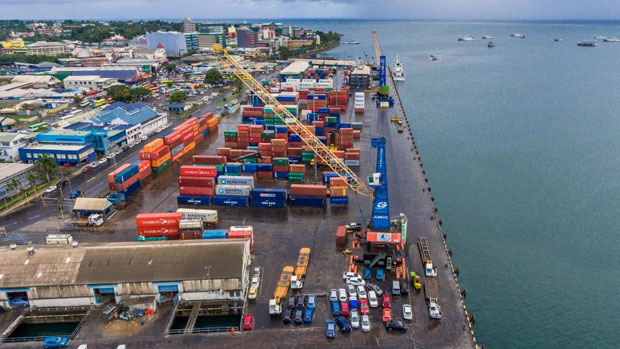
Minister for Health, Doctor Ifereimi Waqainabete confirms that health officers at our ports are looking at ways in which they can screen specifically for Coronavirus as there are ships that may originate from places that already have cases of the virus.
When questioned by Legend FM News on our state of preparedness for Asian fishing vessels at our ports, Doctor Waqainabete says health officers normally inspect and assess any potential for public health and communicable health issues and they will deal with Coronavirus similarly for now.
He says border protection is one way to control the disease and stop it but it is not the only one.
The Health Minister adds that there are other things that people should be able to do which include personal hygiene.
He says that if someone does have the virus, the ministry will make sure that they support them with medical treatment and also quarantine them so that they do not see the disease spread elsewhere.
Meanwhile, Fiji Ports Corporation CEO, Vajira Piyasena says they are waiting for instructions from the Ministry of Health as to what can be done to further strengthen health security at the ports.
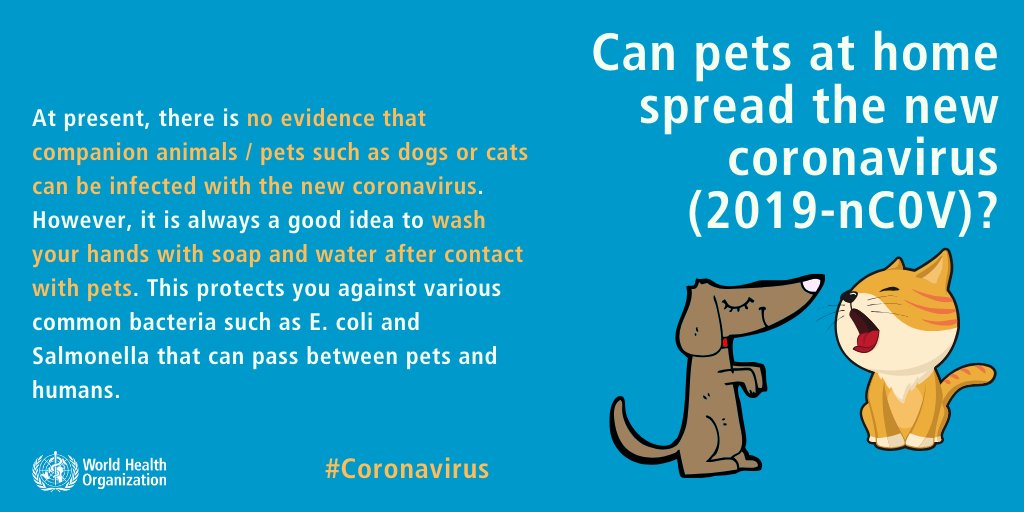
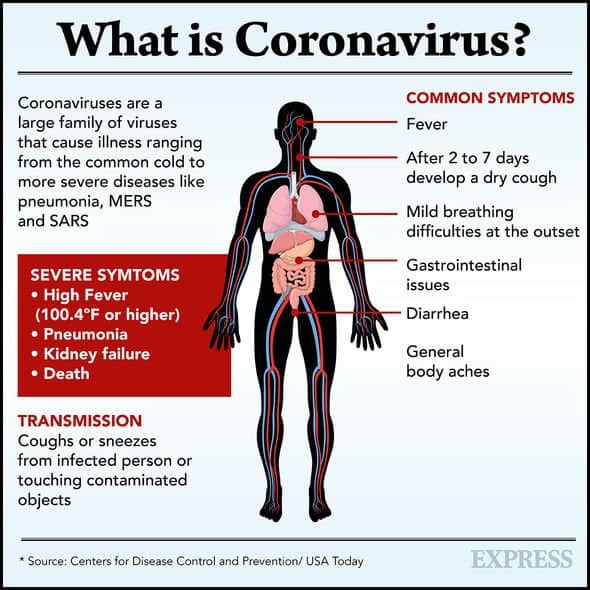
According to the Centres for Disease Control and Prevention, Coronaviruses are a large family of viruses that cause illness ranging from the common cold to more severe diseases like pneumonia, Middle East Respiratory Syndrome and Severe Acute Respiratory Syndrome.
It can transmit through coughs or sneezes from infected person or touching contaminated objects.
The common symptoms are fever, dry cough developing after 2 to 7 days, mild breathing at the outset, gastro-intestinal issues, diarrhea and general body aches.
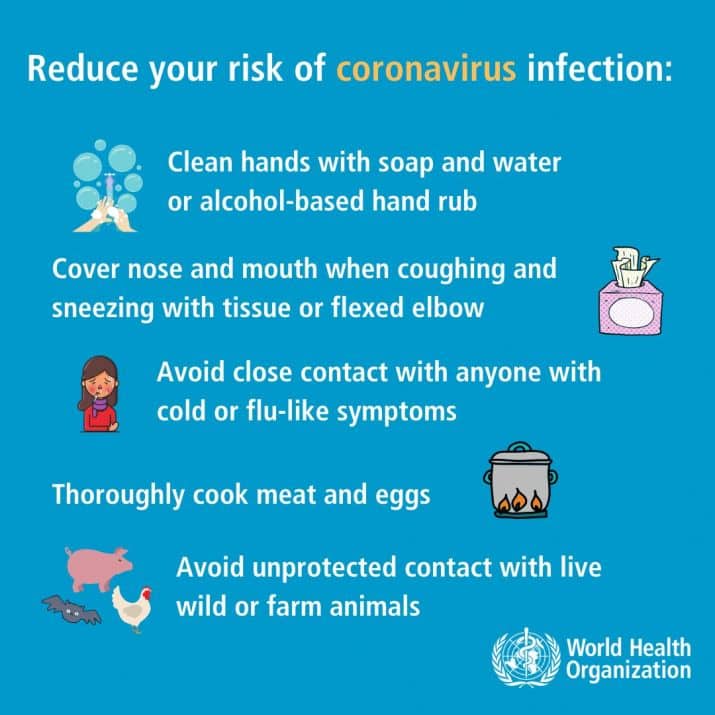
The World Health Organisation says to reduce the risk of coronavirus infection people must clean hands with soap and water or alcohol-based hand rub. Cover nose and mouth when coughing and sneezing with tissue or flexed elbow.
They also say to avoid close contact with anyone with cold or flu-like symptoms.
The World Health Organisation says people should thoroughly cook meat and eggs and to avoid unprotected contact with live wild or farm animals.
According to the New York Times, 106 people are dead and more than 2,700 cases have been confirmed in China.
There are five cases each in Australia, Taiwan and the United States, eight in Thailand, two each in Vietnam, Japan and Nepal, five in Singapore, four in South Korea and three in France.
Rashika/Naveel Krishant
Children
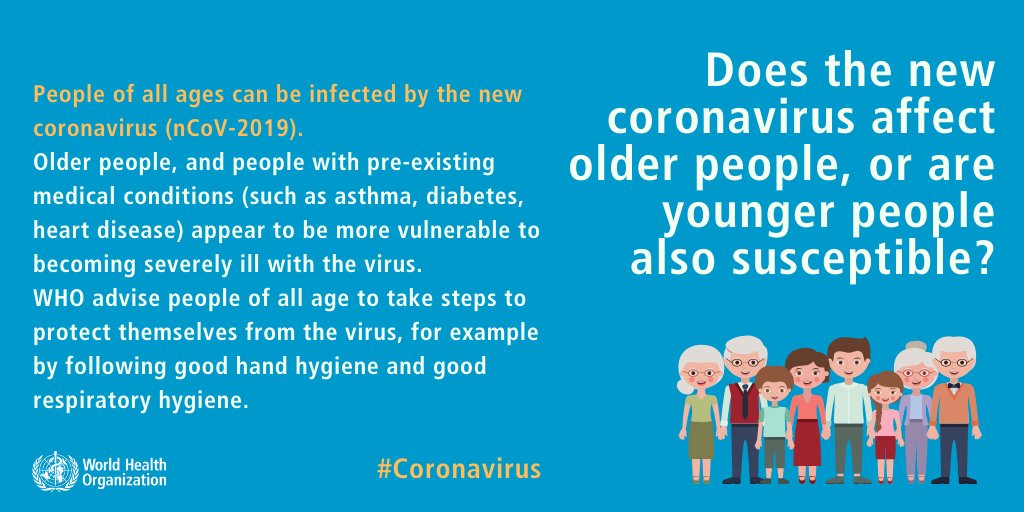
The Health Minister says if you look at the data that is coming out, Coronavirus is mostly infecting older people.
Dr Ifereimi Waqainabete highlighted this when asked about the preventative measures being undertaken in schools.
He says at the moment the Coronavirus is still evolving and they will continue to watch it.
Doctor Waqainabete adds they want to understand more about who the carriers are, who are more likely to suffer or more likely to die.
He says everyone around the world is watching the situation as the more information that they can gather from it, the more they will be able to shape their defence.
Pratika Mala
The vaccine could take a year to be created?
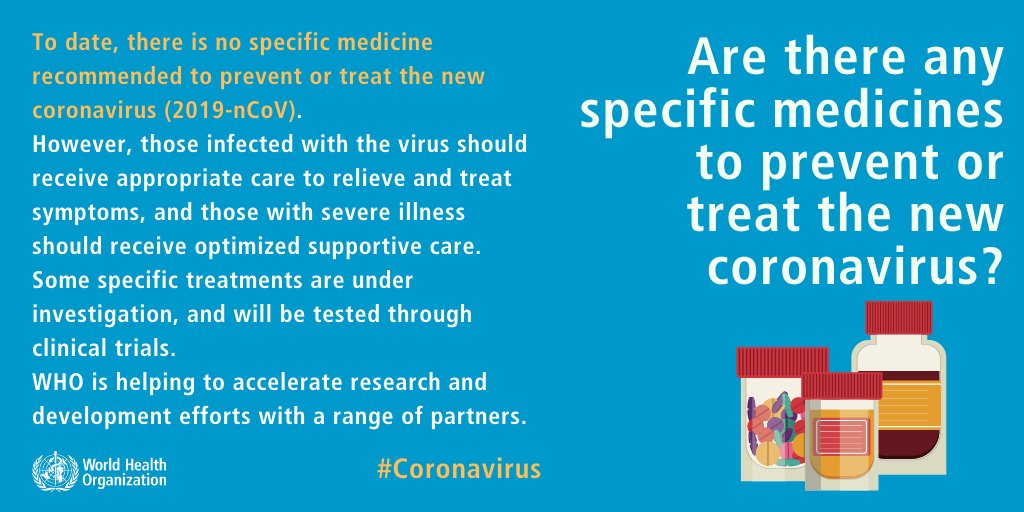
Johnson & Johnson’s chief scientific officer, Dr. Paul Stoffels has told CNBC that he believes the drugmaker can create a vaccine in the coming months to fight against the fast-spreading Coronavirus.
But he said it could take up to a year to bring it to market.
Stoffels says they have dozens of scientists working on this so they are confident they can get something made that will work and stay active for the longer term.
He confirmed the company started working on a coronavirus vaccine two weeks ago.
Vijay Narayan