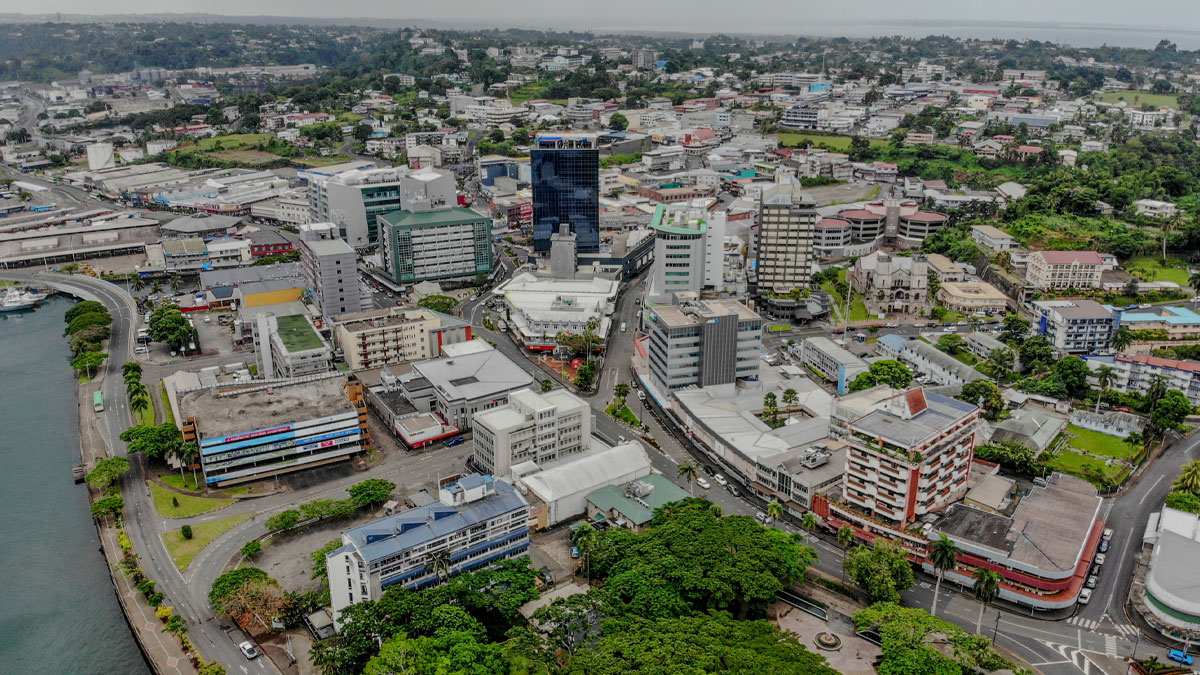
It has been revealed that almost 80 percent of Fiji's total population lives in Viti Levu.
According to the 2007 Census Provisional Count released by the Bureau of Statistics, the largest Fijian and Indian population live in the Central division which amounts to 41.2 percent of the total population.
38.3 percent of the population live in the Western division, 15.8 percent live in the Northern division while 4.7 percent reside in the Eastern division.
In the Northern division, the Indian population declined by 22 percent over the last eleven years. The Indian population in the North now stands at 51,841 compared to 66,488 in the 1996 census. In 1996 there were more Indians living in the North than Fijians. The Fijian population in the Northern division is much higher now, standing at 72,816, compared to their population in 1996 which stood at 64,940. The decrease in the Indian population was anticipated due to expiring land leases in the North.
Moving to the Western division, the Indian population has declined by 9.6 percent while there has been a dramatic increase in the Fijian population in the West. According to the provisional census count, the Fijian population in the West has gone up by 35,788 people, which is a massive 30.7 percent increase.
In the Central division, the Fijian population has again increased by 37,637 while the Indian numbers increased by 4,139.
The Eastern division has a population of 39 thousand and 74.
The Labasa Mayor has revealed that the major cause of movement of people from Labasa to other parts of country and overseas is the lack of resources and the expiry of land leases in the Northern Division.
Doctor Pradeep Singh said that the people from the Northern Division will continue to move out if the land problems are not resolved.
He added that the movement of people from Labasa is having a drastic effect on the businesses.
There are many contributing factors which have led to the vast decrease in the Indian population in the country.
This is the view of the President of Arya Prathinidhi Sabha of Fiji, Kamlesh Arya who said Indians have been a migrant group however the main reason for them leaving the country is the political crisis in the country.
Meanwhile the political parties are expected to comment on the provisional census count later this afternoon.
Fiji's population has increased by 6.8% or by 52,823 people since the 1996 census.
According to the 2007 Census Provisional Count released by the Bureau of Statistics, the Fijian population now stands at 473,983 which is 57.3% of the total population.
This means that the Fijian population has increased by 80,408.
During the 1996 census, the percentage of the Fijian population stood at 50.8% and eleven years later after this years census the percentage of the indigenous Fijian population has increased to 57.3.
According to the provisional data, it has also been revealed that the Fijian population in the urban areas increased by 49,427 people.
On the other hand, there has been a significant decrease in the Indian population in Fiji if you compare it to the 1996 census and the increased Fijian population recorded in the 2007 census.
The Indian population is now 311,591, which is 37.6% of the total population. According to the latest data, this means that there is now a difference 162,392 people between the Fijian and Indian population - the difference going in the favour of the Fijians. This difference stood at 54,757 people in favour of the Fijians in the 1996 census.
There is a slight decrease in the others population which now stands at 42,326 people compared to 42,684 in the 1996 census.
Fiji's total population is now 827,900 compared to 775,000 and 77 in the 1996 census. Stay with Village News as we will bring you more analysis reports on the census provisional count for 2007, later in the day.