
It’s National Budget day today and as the Prime Minister and Minister for Finance, Commodore Voreqe Bainimarama gets ready to present the 2012 National Budget to the people, people are now waiting to find out how they will be affected through the prices of goods and services and delivery of government services.
The main revenue for the government in the National Budget is through taxes and it is always a balancing act for any government to ensure that it rakes in the much needed revenue but at the same time think of the plight of the people.
Targeted assistance for the less fortunate is also something people look forward to.
In the 2011 National Budget, VAT was increased from 12.5% to 15% on many items except some essential items.
The government had anticipated that it would rake in about $532 million in VAT this year surpassing anticipated receipts for last year by $103 million.
This major increase in income from VAT was attributed mainly to the increase in the VAT rate on goods and services.
Direct taxes that people paid this year to the government were expected to rake in $454.5 million, which is $19 million more compared to 2010.
Direct taxes are income taxes comprising of personal or PAYE taxes, corporate taxes, dividend taxes, capital gains taxes and other minor taxes.
An important point to note is that people who earn $15,000 or less do not pay personal income tax as the government raised the income tax threshold from $9,000 to $15,000.
The total revenue for government this year was estimated at $1.745 billion while the total expenditure stood at $1.96 billion.
It will be revealed today on what areas the government will concentrate on to generate more revenue and what areas it will focus on when spending the tax dollars.
Targeted business or growth incentives, infrastructure development or upgrading are also important in the budget as this generates investments which then generate more income and jobs for the people.
An important point to remember is that if the overall expenditure increases in a National Budget, it will also mean that the government has to generate more revenue through taxes that people pay.
The other option for the government to sustain increased expenditure levels is to borrow more money.
According to the 2011 National Budget, government’s total debt stock was $3.1 billion in 2009, compared with $2.9 billion for 2008.
The 2010 debt stock of both domestic and external debt was estimated at $3.4 billion.
A total of $518 million was allocated for debt repayments this year.
Prime Minister Commodore Voreqe Bainimarama will announce the 2012 National Budget this morning at 10.
Stay with us as we will bring you hourly analysis of the 2012 National Budget throughout today.
Story by: Vijay Narayan
2012 National Budget to be announced this morning

Related Stories

We are committed to holding elections – Siromi Turaga
Questions were raised during Dialogue Fiji’s Constitution review discussion on whether the government can delay the general elections and complete the Constitution review however Acting Attorney General Siromi Turaga
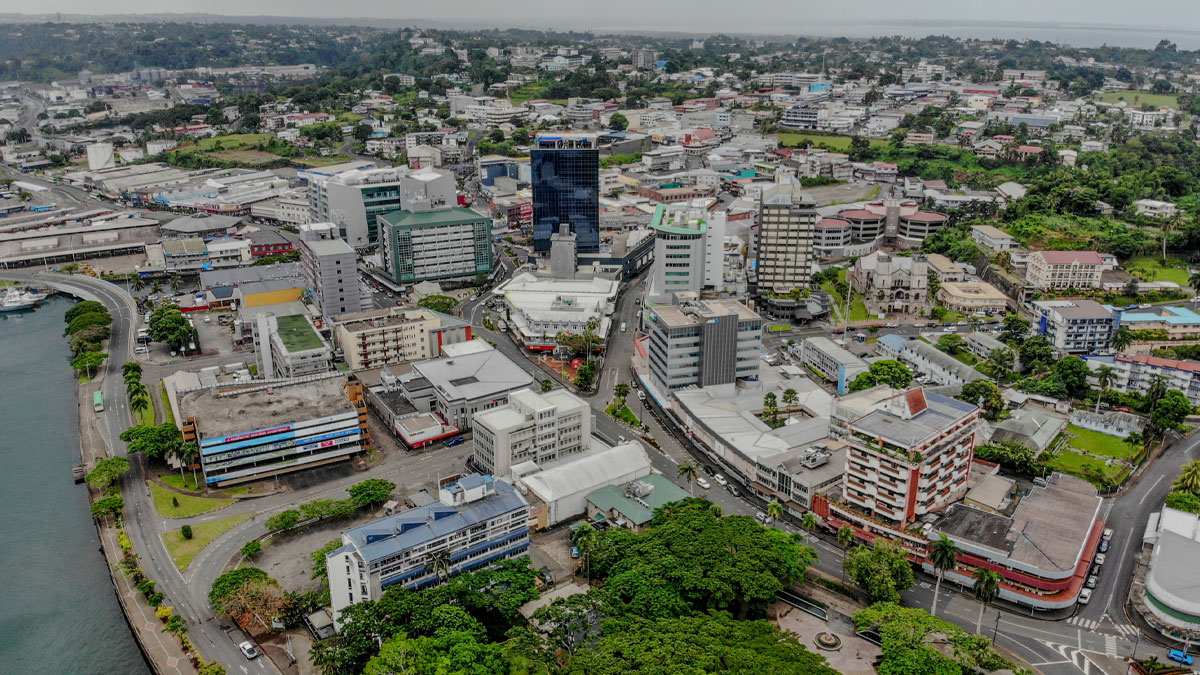
Fijian economy on track to grow for fourth consecutive year in 2025 by 3.4%
The Fijian economy is on track to grow for the fourth consecutive year in 2025 by 3.4 percent, following a 3.5 percent expansion in 2024. The growth forecast is revised up marginally from the 3.2 percent projected

Heavy Rain Alert for Eastern Viti Levu, Southern Bua, Cakaudrove, Taveuni and maritime areas
A heavy rain alert is now in force for the eastern half of Viti Levu (Navua–Suva–Nausori to Serua–Namosi to Tailevu–Naitasiri–Ra areas), southern Bua, Cakaudrove, Taveuni and nearby smaller islands, the Lau an

We need to dismantle criminal enterprises, hitting them where it hurts most - Speaker
Speaker of Parliament, Filimone Jitoko has highlighted during the opening of the Office of the Director of Public Prosecutions Conference that there is a need for prosecutors in the country to master the digital frontie

Fiji has learned from its past and we know that restricting media engagement or access is not the answer - Tabuya
At all times, the public interest in accessing information and the media’s role in scrutinising government must outweigh any unilateral power to silence or sideline a news outlet. In Fiji, we uphold the principle that
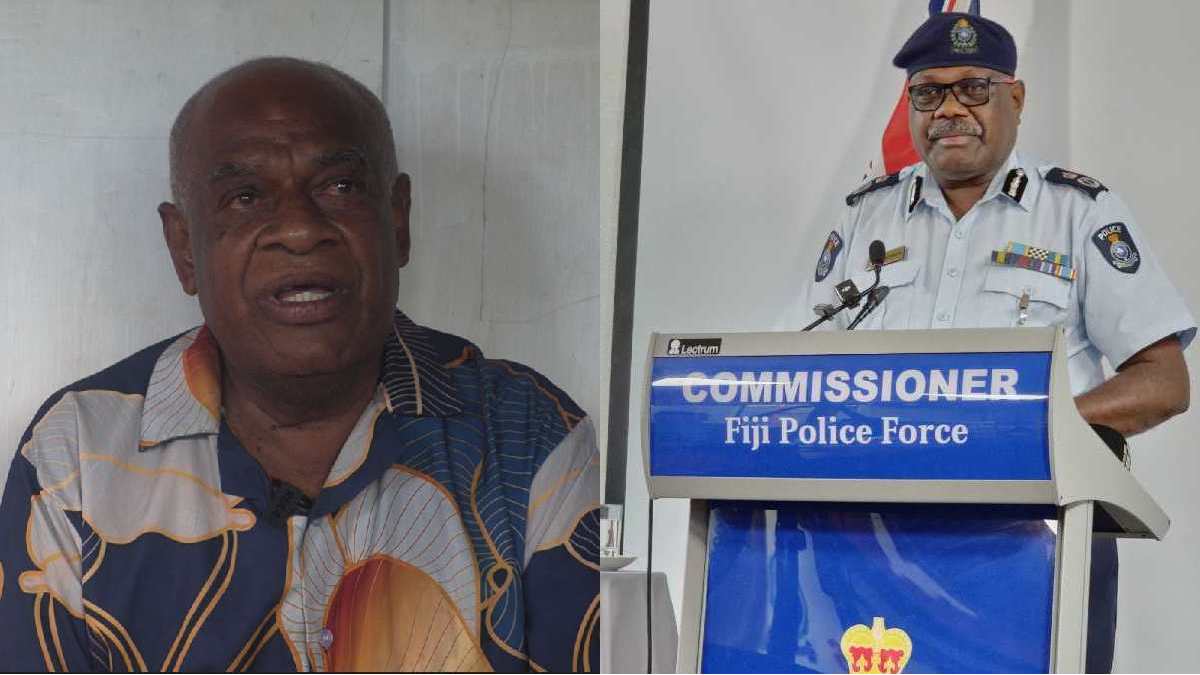
Wailea resident raises concerns about drug issues raised countless times with Police while COMPOL says official complaint must be lodged
Wailea Settlement Community leader, Inoke Utona says he has raised the issue of drug use and dealing in their area countless times with the authorities but there has still been no response from Police. However when